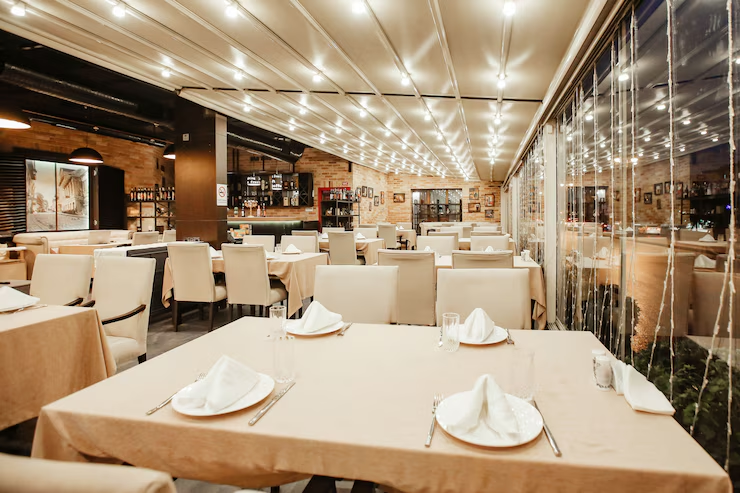
Spices sizzle in the air, and people’s voices buzz like music on a busy street. Bringing that fun street feeling indoors takes more than serving tasty food—it calls for clever restaurant interior design that both shines and supports the flow.
When the space echoes the spirit of the street, it transforms into more than a place to eat—it joins the adventure. Walls, colours, and corners must join forces to shape a spot as full of life as the food. Smart design pulls people in, sparks smiles, and draws them back again and again.
Why Style and Function Must Work Together
Street food bursts with bold flavour and moves fast. Your interior should match that pace. A smart design lifts busy staff and cheers up every guest. When you blend function with flair, the space grows into more than a spot to eat—it steps into the story itself.
- Bright wall colours can separate areas naturally.
- Open kitchens create transparency and a lively mood.
- Narrow but clear walkways keep traffic flowing.
Your layout supports every movement. Skip flashy pieces that add nothing. Keep only what helps the room work harder.
First Impressions Set the Tone
When guests walk through the door, the space must tell them what to expect. The style should spark curiosity and welcome them in. That means fewer trinkets, more focus. A Singapore interior design firm will often lean on honest materials like concrete, timber, or exposed brick. These textures remind guests of the raw, urban edge that street food represents.
- Painted murals can reflect local culture or food heritage.
- Feature lighting can set the mood and guide movement.
- A mix of surfaces (wood, steel, tiles) adds depth and character
Let the visual choices mirror the energy of the kitchen.
Layouts That Support Movement
Space in a street food setting often runs tight. That means smart layouts make all the difference. Every section—kitchen, service, dining—must flow into the next with ease. Design the floor plan around how staff and guests move. Are queues easy to follow? Can staff reach key stations without weaving around furniture? Do guests see where to order or collect?
- Keep walkways wide enough for both foot traffic and trolleys.
- Group furniture to allow for flexible seating
- Use floor patterns or changes in material to mark zones
A clever layout feels natural. Guests shouldn’t have to guess where to go.
Seating That Stays Flexible
Seating in a trendy street food restaurant interior design should never stay fixed. Street food invites a mix of people—solo diners, families, and late-night snackers. Design with this in mind.
Think beyond tables and chairs. Explore setups that guests can shape to fit their group.
- Stackable stools save space when not in use.
- Long benches encourage sharing and keep costs down.
- Hanging seats or folding tables open up floor space
Use furniture that adapts to your crowd, not the other way around.
Lighting That Works Overtime
Lighting plays a huge role in setting the mood. Too dim, and your space looks dull. Too bright, and the warmth vanishes. Aim for balance.
Lighting should also help with navigation. Guests must see signs, menus, and paths.
- Warm pendant lights add charm without glare.
- LED strips under counters guide eyes subtly
- Spotlights can highlight menus or artwork.
Let lighting enhance the vibe, not overpower it.
Using Walls Wisely
Walls do more than hold the roof up. They can act as canvases, signboards, or storage spots. In smaller restaurants, walls should carry part of the load.
Well-designed wall features can keep the floor clear while adding visual interest.
- Wall hooks for bags or trays help reduce clutter.
- Menu boards save time and reduce print waste.
- Bold typography or murals add instant personality
Each wall should serve a purpose, whether that’s function or form.
Materials That Tell a Story
The materials you choose can echo the flavours on your plate. A trendy street food restaurant interior design uses rough, real surfaces to spark memory and emotion.
Concrete, wood, and metal not only wear well but also add layers of texture. They age gracefully and build character over time.
- Timber adds warmth and natural tones.
- Raw brick connects to the street-side feel.
- Galvanised steel or mesh gives an industrial touch
Choose materials that match your brand, and don’t mix too many. Let one or two dominate.
Open Kitchens as a Showpiece
An open kitchen can act as the heart of your restaurant. It builds trust and excitement. Guests watch their meals take shape, which creates a deeper connection.
This setup also demands a cleaner, more efficient system. Nothing can hide behind walls.
- Use glass or mesh partitions to separate without closing off.
- Place high-traffic items like sauce bottles within easy reach.
- Design counters to serve multiple roles—prep, serve, and display
Let your kitchen become a live theatre.
Signage That Guides and Delights
Singapore interior design firm, good signage does more than inform. It guides guests, adds humour, and supports your brand’s voice. A small space without clear signs often feels chaotic.
Avoid clutter. Let each sign serve a clear goal.
- Use hand-painted signs to reflect the handmade nature of your food.
- Place directional signs at eye level.
- Avoid overusing digital screens—they distract more than they help.
Well-crafted signs make a big difference, especially during busy hours.
Storage That Blends In
Clutter kills the mood. Good storage keeps the essentials out of sight but within reach. If you’re short on space, hide storage in plain view.
- Build drawers into benches or counters.
- Hang baskets from the ceiling or beams.
- Use shelves as part of all the displays
Let storage blend with your design so it doesn’t break the flow.
Final Thoughts
Street food restaurant must do more than look trendy. It must work hard, support speed, and invite guests to return. By combining restaurant interior design with bold visuals and smart planning, your space becomes part of the experience. Every detail—light, colour, layout, seating—should support the rhythm of your service.
In the hands of a skilled interior design firm, even small places can feel big. With the right choices, you don’t just serve food—you build memories. Keep your design brave, grounded, and always in service of the story you’re telling.