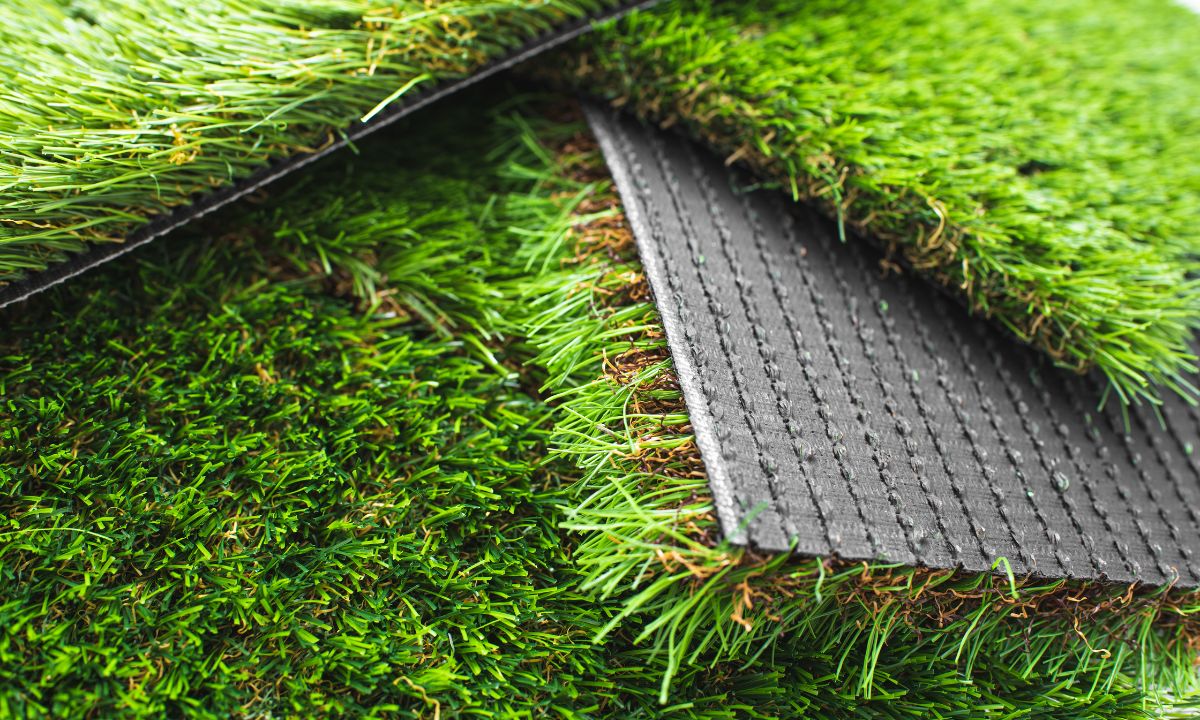
If you’re planning a synthetic turf installation in California, you’re choosing one of the most practical landscaping solutions available today. With water restrictions, droughts, and the rising cost of lawn care, synthetic grass has become a preferred alternative for homeowners and businesses across the state. It provides a lush, green appearance all year long, requires minimal maintenance, and helps conserve water — making it ideal for California’s dry climate.
In this complete guide, you’ll discover the key benefits, the installation process, cost factors, and expert advice to ensure your turf looks great and lasts for years.
Why Choose Synthetic Turf in California
California’s weather and water policies make maintaining a natural lawn challenging. Synthetic turf offers a smarter, more sustainable solution.
-
Water Efficiency: Replacing a natural lawn can save up to 99,000 gallons of water annually for an average 1,800 sq. ft. yard.
-
Low Maintenance: No mowing, seeding, or fertilizing needed.
-
Always Green: Keeps your outdoor space looking fresh and vibrant throughout the year.
-
Versatile: Perfect for homes, playgrounds, sports areas, and commercial spaces.
Additional Benefits
-
Increases curb appeal and property value.
-
Safe for kids and pets — no mud, puddles, or pesticides.
-
Eliminates allergens and reduces lawn care costs.
Things to Keep in Mind
-
Turf can get warm in direct sunlight; choosing a cooling turf helps manage temperature.
-
Ensure proper drainage design to avoid water pooling during rain.
The Synthetic Turf Installation Process in California
A successful installation requires planning, precision, and the right materials. Here’s how professionals typically approach it:
1. Site Planning and Preparation
-
Measure the area accurately and inspect soil condition.
-
Identify how the space will be used — pets, kids, decoration, or sports.
-
Select turf with the right pile height, color tone, and infill type.
-
Check local city guidelines or HOA restrictions before starting.
2. Base Installation
-
Remove old grass and topsoil.
-
Level the ground with a slight slope for drainage.
-
Install a compacted base layer (crushed rock or decomposed granite).
-
Add a weed barrier fabric if required.
3. Laying the Turf
-
Roll out turf sections and align seams carefully.
-
Cut around edges, trees, or fixtures for a clean fit.
-
Secure turf using nails, staples, or strong adhesive.
-
Spread infill material evenly and brush to lift fibers.
4. Finishing Touches
-
Rinse the turf to remove dust or residue.
-
Brush fibers regularly to keep them upright.
-
Check seams and edges periodically to ensure long-term durability.
Typical Lifespan and Cost Factors
1. Turf Quality
-
High-density, UV-resistant turf lasts longer (10–15 years).
-
Premium products cost more but provide better color retention and comfort.
2. Base and Drainage System
-
A stable, compacted base prevents sagging or flooding.
-
Proper drainage helps turf dry quickly after rain and extends lifespan.
3. Heat and UV Resistance
-
Select turf designed for high heat and UV exposure.
-
Inferior products can fade or wear out faster under California’s sun.
4. Foot Traffic and Usage
-
Heavy foot traffic (from pets or kids) can reduce longevity.
-
Opt for turf rated for your usage type — residential, sports, or pet-friendly.
5. Installation Quality
-
Professional installation ensures even seams and correct drainage.
-
Poor installation can cause wrinkles, uneven surfaces, and early damage.
6. Maintenance Routine
-
Light brushing, rinsing, and debris removal maintain a fresh look.
-
Ignoring basic maintenance shortens turf life.
Choosing a Reliable Turf Installer in California
Finding the right installer is just as important as choosing quality turf. Here’s what to look for:
-
Experience with California’s climate and soil conditions.
-
Certified and insured professionals who provide detailed contracts.
-
High-quality materials that are lead-free, UV-resistant, and eco-safe.
-
Comprehensive warranties for both materials and workmanship.
-
Transparent quotes with a clear breakdown of costs.
Quick Hiring Tips
-
Compare at least three estimates from local installers.
-
Review previous projects or customer testimonials.
-
Ask about product specifications and installation methods.
-
Confirm cleanup and disposal are included in the service.
-
Review warranty terms and post-installation support.
Real-World Applications and Practical Tips
Common Uses for Synthetic Turf in California
-
Residential lawns: Stay green without watering or mowing.
-
Commercial spaces: Create modern, low-maintenance landscapes.
-
Playgrounds and sports fields: Durable surfaces for active use.
-
Pet areas: Easy-to-clean, odor-resistant surfaces.
-
Putting greens: Personalized practice areas for golf enthusiasts.
Expert Tips for Homeowners
-
Choose heat-resistant turf for high-sun exposure zones.
-
Always design for proper drainage during installation.
-
Use sturdy edging to keep the turf secure and prevent weeds.
-
Select pet-friendly infill to minimize odor and bacteria buildup.
-
Check for local rebate programs offering water-saving incentives.
FAQs:
Q1: How much water can I save by switching to synthetic turf?
A1: You can save up to 99,000 gallons of water annually for an average-sized lawn.
Q2: Does synthetic turf get too hot during summer?
A2: It can warm up under direct sun, but heat-reducing infills and lighter turf colors help lower temperatures.
Q3: How long does synthetic turf last?
A3: High-quality turf installed by professionals typically lasts between 8 and 15 years.
Q4: Is synthetic turf safe for the environment?
A4: Yes, when you choose eco-friendly turf that’s non-toxic and free from harmful chemicals.
Q5: Can I install synthetic turf myself?
A5: DIY is possible, but professional installation ensures correct grading, drainage, and long-term performance.
Conclusion
Opting for synthetic turf installation in California is a sustainable and practical decision for homeowners and businesses alike. With its water-saving benefits, low maintenance needs, and long-lasting beauty, it’s an investment that pays off over time.
To get the best results, choose a reputable installer, select high-quality materials, and follow proper care practices. The result is a lush, eco-friendly lawn that stays beautiful year-round — without the hassle of traditional grass.
Ready to make the switch? Contact a trusted synthetic turf expert near you to schedule a consultation and get a personalized quote.