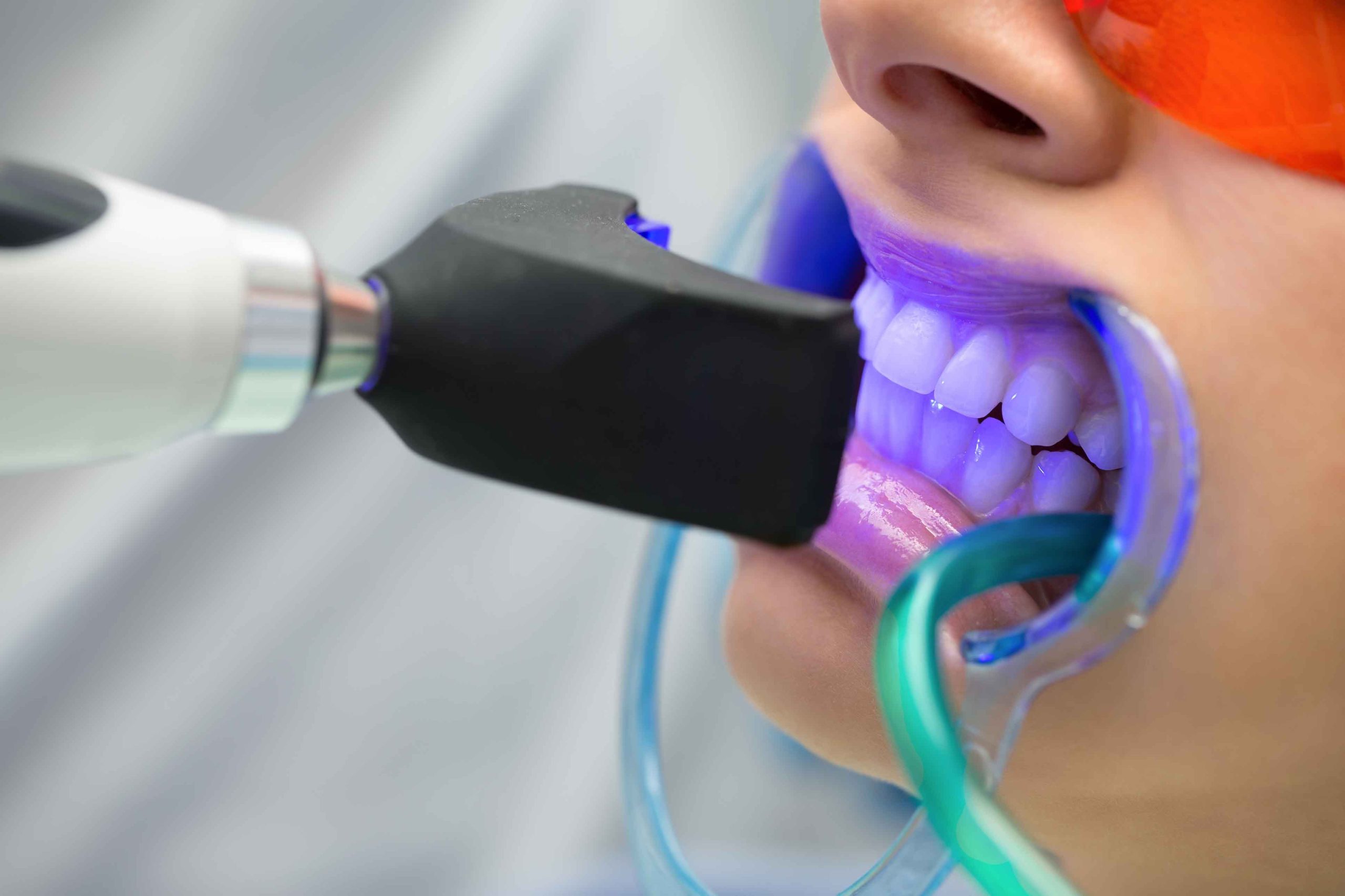
A bright, white smile is a key aspect of personal appearance and confidence, and teeth whitening has become increasingly popular in Islamabad. While whitening treatments can dramatically improve the aesthetic appeal of teeth, patients should understand the relationship between teeth whitening and overall dental health. Proper care, professional guidance, and realistic expectations are essential to ensure safe and effective results. This article explores what Islamabad patients need to know about teeth whitening and its impact on dental health. Many people are looking for safe and effective teeth whitening in Islamabad to achieve a brighter, more confident smile.
Understanding Teeth Whitening
Teeth whitening involves using chemical agents, typically hydrogen peroxide or carbamide peroxide, to remove stains and lighten the natural color of teeth. Treatments are available in professional settings, such as dental clinics like SKN Clinic, as well as in over-the-counter products like whitening strips, gels, and toothpaste. Whitening primarily targets extrinsic stains caused by coffee, tea, tobacco, and certain foods, though some methods can also address intrinsic discoloration caused by aging or dental trauma.
While whitening is generally safe, it is important to recognize that teeth are living structures. Enamel protects the underlying dentin and nerve tissue, and excessive or improper whitening can compromise this protection. Understanding the balance between cosmetic improvement and dental health is key.
Potential Effects of Whitening on Dental Health
-
Tooth Sensitivity
One of the most common side effects of whitening is temporary tooth sensitivity. The bleaching agents penetrate the enamel and may irritate the nerve endings in the dentin, causing discomfort when consuming hot, cold, or sweet foods. In most cases, sensitivity is temporary and can be managed with desensitizing toothpaste or shorter, supervised whitening sessions. -
Gum Irritation
Improper application of whitening agents can irritate gums and soft tissues. This is more likely with at-home kits or overuse of whitening products. Professional treatments minimize this risk through precise application, protective barriers, and custom-fitted trays. -
Enamel Considerations
Repeated or aggressive whitening can lead to enamel erosion over time. Enamel protects teeth from decay and sensitivity, so maintaining its integrity is crucial. Dental professionals can recommend appropriate concentrations and treatment frequencies to preserve enamel while achieving desired whitening results. -
Effect on Dental Restorations
Whitening agents do not affect crowns, veneers, fillings, or other dental restorations. Patients in Islamabad considering cosmetic whitening should discuss existing dental work with their dentist to prevent uneven tooth coloration.
Benefits of Teeth Whitening for Dental Health Awareness
While whitening is primarily cosmetic, it encourages patients to pay closer attention to oral hygiene. Maintaining a white smile often motivates individuals to adopt better brushing, flossing, and regular dental check-ups, which are fundamental to overall dental health. Whitening can also help remove surface stains that may harbor bacteria, contributing indirectly to improved oral hygiene.
Professional vs. Over-the-Counter Whitening
Professional whitening performed in clinics like SKN Clinic offers stronger bleaching agents and customized treatment plans. Dentists assess tooth health, gum condition, and sensitivity before beginning treatment, which reduces the risk of adverse effects.
Over-the-counter products are convenient and affordable but have lower concentrations of whitening agents. While generally safe for most patients, they may be less effective on deep stains and can cause uneven whitening or irritation if used incorrectly. Patients with existing dental issues should consult a dentist before using these products.
Safe Practices for Maintaining Dental Health During Whitening
-
Pre-Whitening Check-Up
A dental examination ensures that teeth and gums are healthy before whitening. Untreated cavities, gum disease, or enamel erosion can be worsened by whitening treatments. -
Follow Instructions Carefully
Whether using professional or at-home treatments, following recommended usage, concentration, and duration is crucial. Overuse or prolonged application can damage enamel and soft tissues. -
Use Desensitizing Products if Needed
For patients with sensitive teeth, desensitizing toothpaste or gels can help minimize discomfort during and after whitening. -
Limit Staining Foods and Habits
Avoiding or moderating consumption of coffee, tea, red wine, and tobacco helps prolong whitening results and supports dental health. -
Maintain Routine Oral Care
Brushing twice daily, flossing, and using mouthwash protect teeth from stains, decay, and gum disease, complementing whitening treatments. -
Regular Dental Visits
Periodic professional cleanings and check-ups are essential to monitor enamel health, detect any early dental issues, and maintain whitening results.
Conclusion
Teeth whitening can significantly enhance appearance and confidence for patients in Islamabad, but it should never compromise dental health. Understanding the effects of whitening agents on enamel, gums, and restorations is essential for safe practice. Professional treatments at clinics like SKN Clinic offer customized solutions that balance cosmetic goals with oral health protection. Patients should also adopt proper oral hygiene, limit stain-causing foods and habits, and attend regular dental check-ups to maintain both whitening results and overall dental health. By prioritizing safety alongside aesthetics, patients can enjoy a bright, healthy smile that lasts.