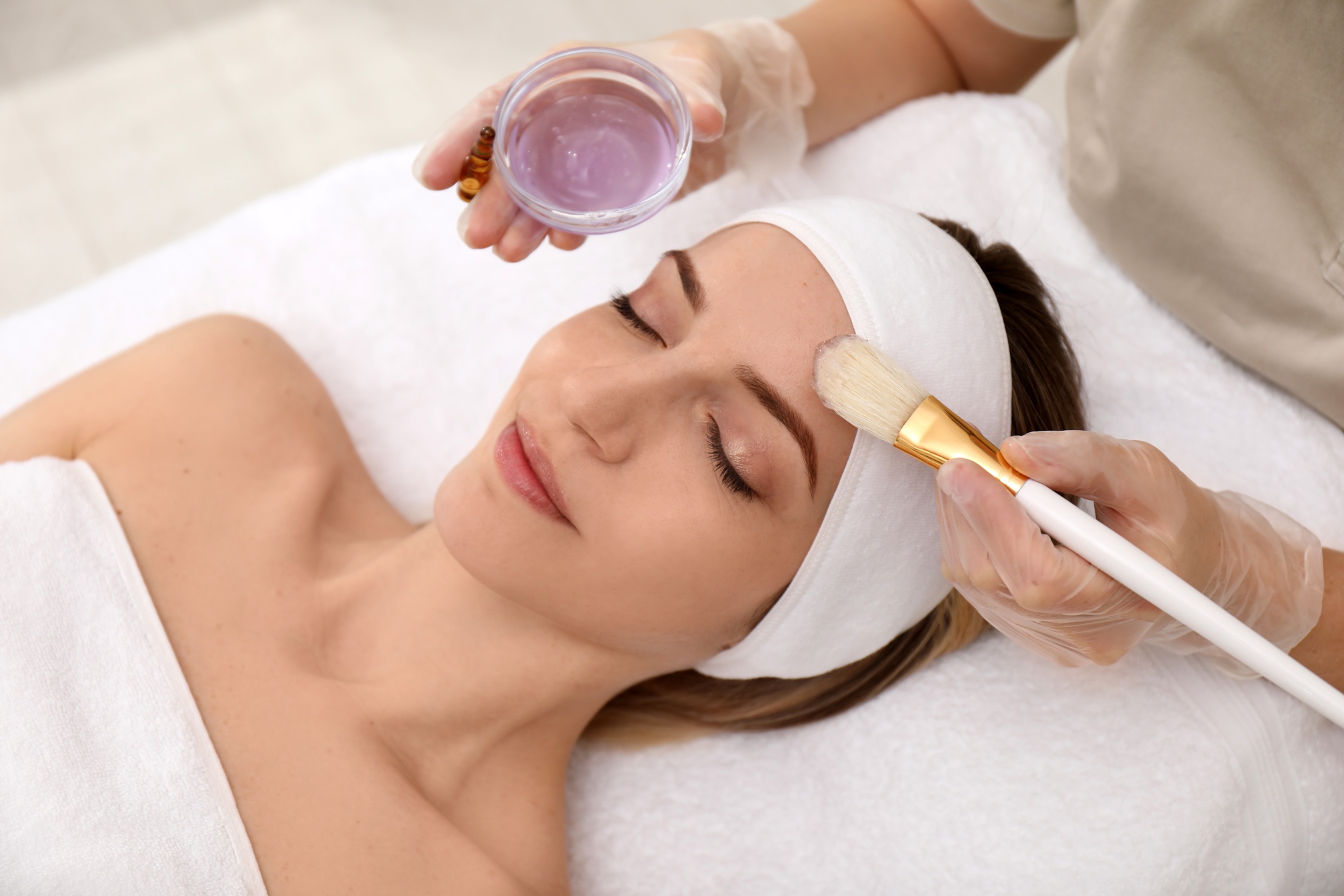
Chemical peels have become a staple in skincare treatments across Islamabad. Whether you’re looking to address fine lines, acne scars, sun damage, or uneven skin tone, there’s a type of peel that can help. The key is choosing the right depth of peel for your skin’s needs. When exploring your options for Chemical Peels in Islamabad, understanding the differences between light, medium, and deep peels is essential.
What Are Chemical Peels?
A chemical peel is a skincare treatment that uses a chemical solution to exfoliate and eventually peel off the outer layers of the skin. As the damaged surface skin sheds, the new skin underneath is typically smoother, less wrinkled, and more even in tone.
Peels are categorized by how deeply they penetrate the skin:
-
Light Peels (Superficial)
-
Medium Peels
-
Deep Peels
Each type addresses different concerns and comes with varying degrees of recovery time.
Light Chemical Peels: The Gentle Refresh
What They Are:
Light or superficial peels use mild acids such as alpha hydroxy acids (AHAs) like glycolic acid or lactic acid. These peels only affect the topmost layer of skin (epidermis), making them ideal for first-timers or individuals with minor skin concerns.
Common Uses:
-
Mild acne and acne scars
-
Uneven skin tone
-
Dull complexion
-
Dry or flaky skin
Procedure Time & Sensation:
A light peel typically takes about 20–30 minutes. You may feel a mild tingling or warming sensation during the procedure.
Downtime:
-
Minimal to none.
-
Mild redness or flaking may occur for 1–3 days.
-
Makeup can usually be applied the next day.
How Often:
Recommended every 3–4 weeks for continued results.
Ideal For:
Those new to peels, individuals with sensitive skin, or anyone looking for a quick glow-up with no downtime.
Medium Chemical Peels: Targeted Rejuvenation
What They Are:
Medium-depth peels penetrate deeper into the dermis (second layer of the skin). They typically use trichloroacetic acid (TCA) or higher concentrations of glycolic acid.
Common Uses:
-
Moderate wrinkles and fine lines
-
Sun damage and age spots
-
Acne scars
-
Uneven texture and pigmentation
Procedure Time & Sensation:
These peels may take 30–45 minutes and involve a stinging or burning sensation, which is typically controlled using a cooling device or topical anesthetic.
Downtime:
-
5 to 7 days of visible peeling
-
Redness may last up to 10 days
-
You’ll need to follow a strict post-care routine, including sun protection and moisturization
How Often:
May be repeated every 3–6 months, depending on your goals.
Ideal For:
Individuals looking for noticeable improvement in pigmentation, texture, and fine lines with manageable downtime.
Deep Chemical Peels: Dramatic Transformation
What They Are:
Deep peels use stronger acids like phenol to reach the deepest layers of skin. This type of peel is the most intensive and is often used for more severe skin conditions.
Common Uses:
-
Deep wrinkles
-
Severe sun damage
-
Deep acne scarring
-
Precancerous growths
Procedure Time & Sensation:
The procedure can take 60–90 minutes. It usually requires a local anesthetic or sedation, especially when larger areas are treated.
Downtime:
-
Significant downtime of 10–14 days or more
-
Redness and peeling can be extensive
-
Skin may remain sensitive or pink for several weeks
-
Special aftercare, including prescribed creams and avoiding sun exposure, is essential
How Often:
Only once. Deep peels provide long-term results but are not repeatable due to their intensity.
Ideal For:
People with deep skin concerns or older individuals seeking significant rejuvenation. Best performed under the guidance of a board-certified dermatologist or cosmetic surgeon.
Comparing the Three Peels at a Glance
| Feature | Light Peel | Medium Peel | Deep Peel |
|---|---|---|---|
| Penetration Level | Epidermis | Upper to mid-dermis | Lower dermis |
| Key Ingredients | AHAs (Glycolic, Lactic) | TCA, higher-strength Glycolic | Phenol |
| Skin Issues Addressed | Mild dullness, acne, dryness | Pigmentation, fine lines, sun damage | Deep wrinkles, scars |
| Downtime | None to 3 days | 5–7 days | 10–14+ days |
| Frequency | Monthly | Every 3–6 months | Once (lifetime) |
Which Peel Is Right for You in Islamabad?
Choosing the appropriate chemical peel depends on several factors:
-
Skin Type: Sensitive skin types may benefit most from light peels.
-
Concerns: Acne, pigmentation, aging, or scarring.
-
Tolerance for Downtime: Consider how much recovery time you can manage.
-
Climate Adaptability: Islamabad’s varying temperatures can influence aftercare; for instance, deep peels may be better scheduled in cooler months.
Always consult a qualified dermatologist or cosmetic expert before undergoing any peel. Your provider should assess your skin, lifestyle, and expectations to suggest the best option.
Post-Care Tips After Any Peel
-
Avoid direct sunlight: Always wear broad-spectrum SPF 50+.
-
Hydrate generously: Use hyaluronic acid and gentle moisturizers.
-
No picking or scrubbing: Let your skin peel naturally.
-
Stick to gentle skincare products: Avoid retinoids, exfoliants, and harsh acids for at least a week or as directed.
Final Thoughts
Whether you choose a light peel for routine brightening, a medium peel for noticeable improvement, or a deep peel for dramatic transformation, each option comes with its science, benefits, and care requirements. The key to successful results lies in choosing the right peel based on your goals and having it performed under the care of experienced professionals.
If you’re ready to rejuvenate your skin and want expert guidance tailored to your needs, SKN Cosmetic Clinic in Islamabad offers advanced chemical peels for every skin concern. Their team of licensed dermatologists and skincare specialists ensures every treatment is personalized, safe, and results-driven. Book your consultation today to discover the ideal peel for your skin.