
Surgical precision is the cornerstone of successful patient outcomes, particularly in procedures that involve delicate tissues and vessels. In microsurgery, where the scale is minuscule and the stakes are high, the instruments used must be extensions of the surgeon’s hands. Among these critical tools, the micro clamp stands out for its vital role in controlling blood flow and isolating specific areas, enabling surgeons to perform intricate work with unparalleled accuracy. This guide explores the significance of this specialized instrument and its impact on modern surgical practices.
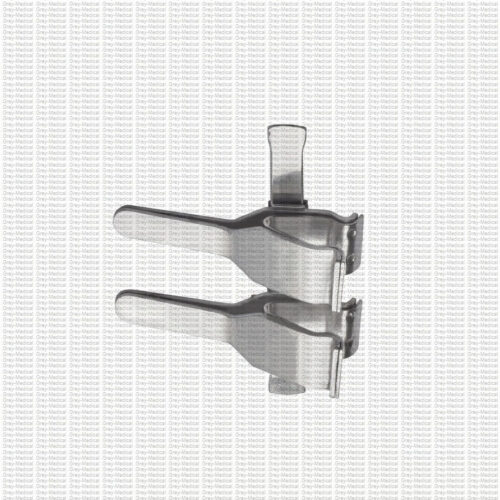
Understanding the Role of a Micro Clamp
A micro clamp is a specialized surgical instrument designed for the temporary occlusion of small blood vessels, typically those with a diameter of just a few millimeters. Unlike larger vascular clamps, these tools are engineered for delicate application, minimizing trauma to the vessel walls. Their primary function is to stop or control blood flow in a targeted area, creating a clear and bloodless field for the surgeon to operate within. This control is essential for procedures like vessel anastomosis (the connection of vessels), nerve repair, and free tissue transfer.
The design of these clamps is a marvel of medical engineering. They must provide enough pressure to securely occlude a vessel without crushing or damaging the fragile endothelial lining. The closing pressure is carefully calibrated, and the jaws of the clamp are often smooth or feature atraumatic serrations to ensure a gentle but firm grip. This precision is a testament to the innovation driving the development of surgical instruments.
The Diverse Applications in Microsurgery
The utility of a micro clamp extends across numerous surgical disciplines. In neurosurgery, they are used to temporarily clip small aneurysms or control bleeding from tiny arteries in the brain. Plastic and reconstructive surgeons rely on them heavily for free flap surgeries, where tissue, along with its blood supply, is moved from one part of the body to another to reconstruct defects.
Similarly, in cardiovascular and peripheral vascular surgery, these clamps are indispensable for repairing small vessels in the limbs or heart. Hand surgeons use them to perform complex reattachments of severed fingers or hands, where reconnecting minute arteries and veins is crucial for restoring circulation. The ability to effectively manage blood flow on such a small scale is what makes these advanced procedures possible.
Innovation and Design Excellence
The evolution of the micro clamp reflects the broader advancements in medical technology. Modern clamps are crafted from high-grade materials like titanium or stainless steel, ensuring durability, corrosion resistance, and biocompatibility. Companies dedicated to excellence, such as GreyMedical®, focus on ergonomic designs that reduce surgeon fatigue and enhance maneuverability under a microscope.
Innovations include single-use and reusable models, each with distinct advantages. Furthermore, a variety of clamp types exist, including single and double approximator clamps, as well as models with varying angles and jaw lengths to suit different surgical needs. This commitment to continuous improvement ensures that surgeons have the most reliable and effective tools at their disposal, directly contributing to better surgical precision and patient safety.
Conclusion: Precision in the Surgeon’s Hand
In the world of microsurgery, success is measured in millimeters. The ability to perform delicate, life-altering procedures depends on the skill of the surgeon and the quality of their instruments. The micro clamp is a perfect example of an instrument where design, material, and function converge to enable medical marvels. As a fundamental tool for controlling micro-vessels, it embodies the principles of precision and care that define modern surgery. GreyMedical® remains dedicated to advancing the craft of surgical instruments, providing surgeons with the innovative and excellent tools they need to achieve the best possible outcomes for their patients.