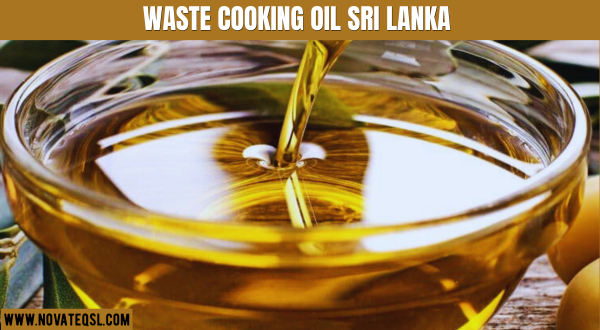
In many parts of the world, including Sri Lanka, reusing cooking oil has long been a common practice in homes, restaurants, and street food stalls. While it may seem like an economical choice, repeated use of the same oil for frying and cooking carries serious health risks. With growing awareness about healthy living and food safety, it’s becoming more important to understand why used oil should be handled carefully and disposed of responsibly.
For anyone looking for safe disposal options, Waste Cooking Oil Sri Lanka services are an effective way to ensure that used oil is collected and processed in a way that protects public health and the environment.
Why People Reuse Cooking Oil
The main reason people reuse cooking oil is to save money. High-quality frying oils can be expensive, especially for small eateries or households on tight budgets. Some also believe that oil gains more flavor after repeated frying, especially for certain snacks and meats. However, this short-term saving can lead to significant long-term health consequences.
What Happens to Oil When It’s Reused
Cooking oil undergoes chemical changes when exposed to high heat. Each time the oil is reused, it breaks down further, producing harmful substances such as:
-
Trans fats – These increase the risk of heart disease and stroke.
-
Aldehydes – Linked to cancer and other chronic diseases.
-
Free radicals – Harmful molecules that damage cells and accelerate aging.
In addition, reused oil absorbs food particles and moisture, making it more likely to harbor harmful bacteria.
The Health Risks of Reusing Waste Cooking Oil
-
Heart Disease
Repeatedly heated oil contains high levels of trans fats, which raise bad cholesterol (LDL) and lower good cholesterol (HDL). This imbalance increases the risk of blocked arteries and heart attacks. -
Digestive Issues
Old oil can irritate the stomach lining, causing bloating, nausea, and indigestion. Long-term consumption may lead to more severe gastrointestinal problems. -
Increased Cancer Risk
Compounds like aldehydes formed during reheating have been linked to cancer development. Although occasional exposure might not cause harm, regular consumption significantly increases risk. -
Liver Damage
Over time, the toxins in reheated oil can overload the liver, reducing its ability to filter harmful substances from the body. -
Food Poisoning
If oil is stored improperly between uses, it can become a breeding ground for bacteria, leading to foodborne illnesses.
How the Problem Persists in Sri Lanka
Street food culture in Sri Lanka is vibrant, but it also presents challenges for food safety. Vendors often reuse oil multiple times to reduce costs. Some restaurants and households also save and reuse oil for deep frying, unaware of the hidden dangers.
A lack of strict enforcement of food safety regulations, combined with limited public education on the risks, allows the practice to continue.
The Safer Alternative: Recycling Waste Cooking Oil
Instead of reusing oil for cooking, it’s safer and more sustainable to recycle it. Companies specializing in Waste Cooking Oil Sri Lanka collection ensure that used oil is processed into valuable products such as biodiesel, industrial lubricants, and even eco-friendly soaps. This process keeps harmful substances out of the food chain and reduces environmental pollution.
Tips for Safe Cooking Oil Use
If you want to avoid health problems linked to reused oil, follow these guidelines:
-
Avoid Reusing Oil for Deep Frying – If you must reuse oil, do so only once and for light cooking, not deep frying.
-
Filter After Use – Remove food particles immediately to reduce bacterial growth.
-
Store Properly – Keep used oil in a sealed container, away from heat and sunlight.
-
Check for Signs of Spoilage – Discard oil that smells bad, has turned dark, or foams excessively when heated.
-
Use Oils with High Smoke Points – Such as sunflower or canola oil, to reduce harmful breakdown during cooking.
Why Public Awareness Is Key
Preventing the health risks of reused oil requires more than individual action—it demands community-wide education. Public health authorities, schools, and media campaigns can play a crucial role in spreading the message about safe oil practices.
By teaching both consumers and food vendors about the dangers of reusing cooking oil and the benefits of proper disposal, Sri Lanka can reduce the burden of diet-related diseases and promote a healthier population.
Conclusion: Choose Safety Over Savings
While reusing waste cooking oil might seem like a practical way to cut costs, the health risks far outweigh the savings. Heart disease, cancer, and digestive problems are serious consequences of repeated oil use—issues that can be avoided by making safer choices.
By working with certified collection services for Waste Cooking Oil Sri Lanka, households and businesses can protect public health while contributing to environmental sustainability. The key is simple: once oil has served its purpose in the kitchen, it should be recycled—not reused for cooking.