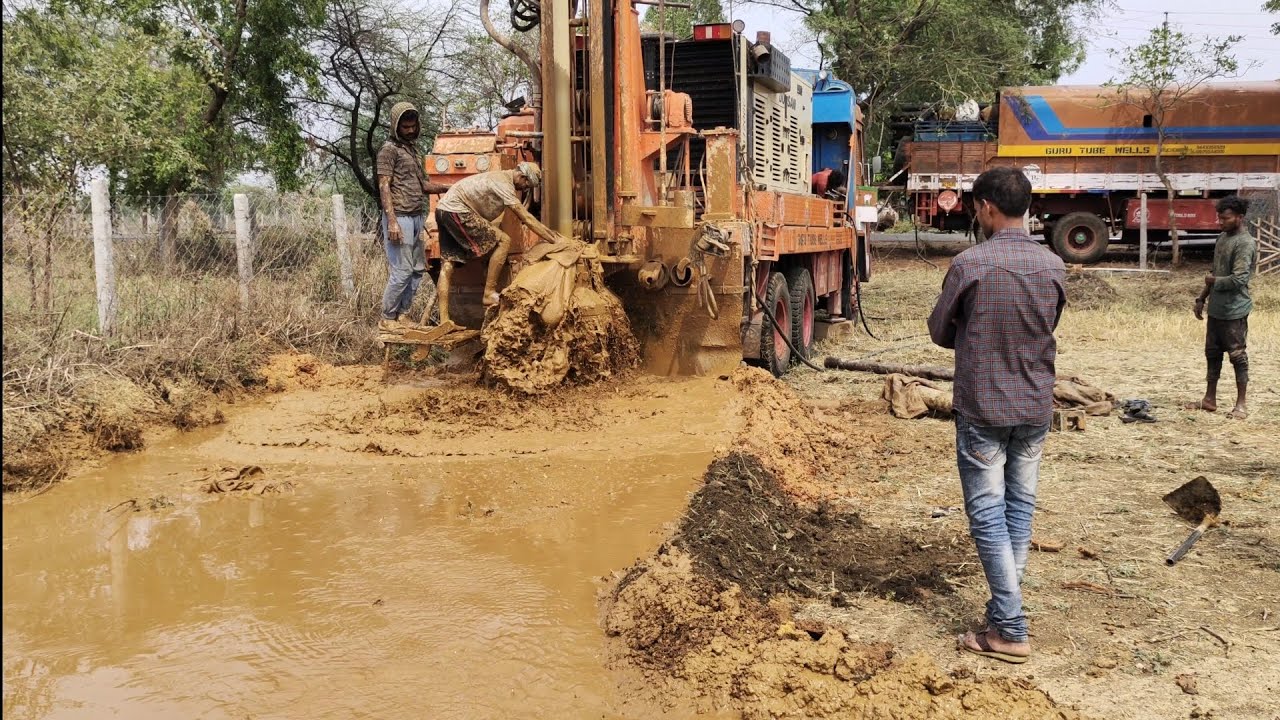
Water is one of the most essential resources for agriculture, industry, and domestic life. In many rural and semi-urban areas, where access to municipal water supply is limited, tubewells serve as a dependable source of groundwater. This is where professional tubewell boring contractors come into the picture. These experts are the backbone of sustainable water extraction systems, ensuring that homes, farms, and businesses have a steady water supply throughout the year. Choosing the right contractor can make all the difference between a successful, long-lasting installation and a costly failure.
Understanding the Concept of Tubewell Boring
Tubewell boring refers to the process of drilling a well deep into the ground to access groundwater stored in aquifers. The water is then pumped to the surface through a tube or pipe for domestic, agricultural, or industrial use. Modern technology has transformed the boring process, allowing contractors to dig deeper and more accurately while maintaining the natural flow and purity of groundwater. Skilled tubewell boring contractors use advanced machinery and scientific methods to determine the best drilling spots, ensuring a sustainable and efficient water system.
Why Professional Tubewell Boring Contractors Matter
Hiring professional tubewell boring contractors is crucial because the process involves more than just drilling a hole in the ground. It requires geological assessment, proper planning, and technical precision. Contractors analyze soil types, groundwater levels, and rock formations to ensure that the borehole is dug in the most suitable location. They also select the right drilling method based on the terrain, ensuring safety and stability throughout the project. Without professional expertise, there is a high risk of hitting dry layers, damaging the borehole casing, or contaminating the water source.
The Process of Tubewell Boring: Step-by-Step
The boring process begins with a site inspection, where experts assess the area’s geological conditions. After determining the optimal location, the tubewell boring contractors use mechanical rigs to drill the borehole to the desired depth. Once drilling is completed, steel or PVC casing pipes are installed to prevent the borehole from collapsing and to protect the water from contaminants. Next, the contractors install a screen to filter impurities and fit a submersible or hand pump to extract the water efficiently. The borehole is then tested to ensure a consistent water flow and quality before it is handed over for use. Each step requires technical precision and experience, which only professional contractors can provide.
Modern Equipment and Techniques Used in Tubewell Boring
Today’s tubewell boring contractors utilize state-of-the-art equipment that makes the process faster, safer, and more accurate. Rotary drilling machines, hydraulic rigs, and compressor systems have replaced traditional manual boring methods. These modern tools allow deeper penetration into the ground and better identification of water-bearing strata. Advanced sensors and mapping technologies help contractors analyze underground formations in real time, reducing the chances of error. This technological evolution has not only improved efficiency but also minimized environmental impact, ensuring sustainable groundwater extraction.
The Importance of Choosing the Right Location
Location is one of the most critical factors in successful tubewell boring. Experienced tubewell boring contractors use hydro-geological surveys and soil tests to identify the best drilling points. The goal is to reach aquifers that can provide a stable water supply throughout the year. Contractors also consider the proximity to potential contamination sources such as septic tanks or waste disposal sites. A poor location can result in a dry borewell or water contamination, leading to financial loss and health risks. Therefore, hiring experts who understand the science behind site selection is vital for long-term water access.
Tubewell Boring for Agricultural Use
For farmers, reliable water access is the backbone of crop production. Tubewells provide consistent irrigation even during dry seasons, ensuring healthy yields. Professional tubewell boring contractors design and install borewells that meet specific agricultural needs, considering factors like soil type, crop water requirements, and field layout. With the right borewell system, farmers can irrigate their land efficiently, reduce dependency on rainfall, and increase productivity. Many contractors also offer maintenance services, ensuring that the borewell remains functional and efficient throughout the year.
Tubewell Boring for Residential and Industrial Applications
Beyond agriculture, tubewell boring plays a crucial role in residential and industrial sectors. Homes in remote or newly developed areas often rely on private borewells for daily water use. Similarly, industries that require large amounts of water—such as textile, construction, and manufacturing—depend on tubewells to sustain operations. Tubewell boring contractors tailor their services to meet different needs, providing borewells that can handle varying levels of water demand. For industries, they often install high-capacity pumps and design systems to manage large-scale water extraction safely and efficiently.
The Cost Factors Involved in Tubewell Boring
The cost of tubewell boring can vary significantly depending on several factors. These include the depth of the borehole, the type of soil and rock encountered, the equipment used, and the location of the project. Tubewell boring contractors usually provide an estimate after an initial site inspection. Although cheaper services may seem tempting, it is always wiser to invest in a reputable contractor who uses quality materials and modern equipment. A poorly constructed borewell can lead to recurring issues, such as pipe corrosion, low water yield, or contamination, resulting in much higher costs in the long run.
Maintenance and Longevity of a Tubewell
A well-maintained tubewell can last for decades. Regular maintenance ensures a steady water supply and prevents breakdowns. Tubewell boring contractors often provide maintenance services such as pump repair, water flow testing, and cleaning of borewell screens. They check for signs of blockage or contamination and ensure that the pump and casing remain in good condition. Ignoring maintenance can lead to reduced water output, contamination, or even complete system failure. Routine servicing by experts helps extend the lifespan of the borewell and ensures water purity for years to come.
Environmental Considerations in Tubewell Boring
Sustainable water management is becoming increasingly important as groundwater levels continue to decline in many regions. Responsible tubewell boring contractors adhere to environmental regulations and promote sustainable practices. They avoid over-extraction and recommend efficient water usage systems such as drip irrigation for agriculture. Additionally, they encourage recharge pits and rainwater harvesting methods to replenish groundwater levels. Contractors who prioritize environmental care not only protect natural resources but also ensure long-term benefits for communities that rely on borewell water.
Common Challenges in Tubewell Boring Projects
Like any technical field, tubewell boring presents several challenges. Unstable soil conditions, hard rock layers, and unpredictable groundwater levels can complicate drilling. Sometimes, equipment malfunctions or incorrect site selection can lead to failed borewells. Skilled tubewell boring contractors are trained to handle these challenges with professional expertise. They use advanced diagnostic tools and make on-site adjustments to ensure success. Their experience allows them to anticipate problems and provide practical solutions, ensuring that the borewell delivers consistent water output despite geological uncertainties.
The Significance of Quality Materials and Components
The durability and efficiency of a tubewell largely depend on the quality of materials used during construction. Professional tubewell boring contractors use high-grade pipes, durable casings, and corrosion-resistant fittings. Inferior materials can lead to early wear and tear, causing leaks, contamination, or reduced water pressure. Contractors also ensure proper sealing to prevent surface pollutants from entering the borewell. Investing in premium materials might increase initial costs but significantly reduces maintenance expenses and extends the borewell’s lifespan.
How to Select the Best Tubewell Boring Contractors
Choosing the right tubewell boring contractors requires careful research. Clients should look for contractors with a proven track record, modern machinery, and knowledge of local geology. Checking licenses, certifications, and customer reviews can help verify credibility. It’s also beneficial to discuss the full scope of services, including after-installation maintenance. Transparent communication about pricing, timelines, and expected results is essential for a smooth experience. Selecting professionals who combine technical skill with integrity ensures a reliable and long-lasting water solution.
The Future of Tubewell Boring Technology
The field of tubewell boring is rapidly evolving with innovations in drilling technology and groundwater management. Automation, AI-based geological mapping, and eco-friendly drilling fluids are changing how contractors operate. Future tubewell boring contractors will rely even more on data analytics to predict water availability and design systems that minimize environmental impact. These advancements will not only enhance accuracy but also reduce operational costs, making water access more affordable and sustainable for everyone.
Conclusion: Investing in Expertise for Sustainable Water Access
In a world where water scarcity is becoming a growing concern, the role of professional tubewell boring contractors cannot be overstated. They are the unseen heroes who connect communities, farms, and industries to life-giving groundwater. From scientific site selection and advanced drilling techniques to maintenance and sustainability practices, their expertise ensures reliable and clean water access for years to come. Choosing the right contractor means investing in long-term stability, efficiency, and peace of mind. With the right professionals at work, every drop of groundwater becomes a step toward a sustainable future.