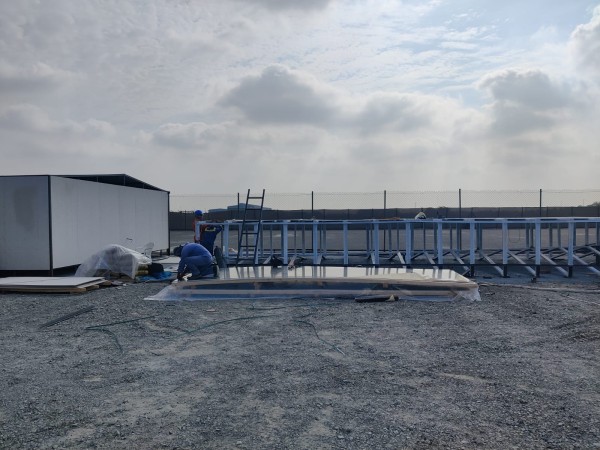
Aluminium Barge Building is becoming a watershed moment for the logistics sector. With increasing fuel prices, more stringent emissions regulations on the books, and highways busier than ever, companies are looking for more intelligent methods of transporting products. Inland waterways, previously underutilized, are now providing an alternative that is highly efficient and green. Aluminium, being light in weight and strong, is providing barges with the performance edge that logistics providers require in order to compete.
Why Aluminium Rather Than Steel?
Barges have been used to transport bulk material, containers, and cargo over rivers and coastlines for years. They have traditionally been constructed from steel, which is strong but heavy and susceptible to rust. Aluminium shifts the balance. Its lightness, corrosion resistance, and recyclability make it the perfect solution for marine transport of the future.
This is where aluminium barge builders add value. Through use of sophisticated alloys and contemporary fabrication technologies, they offer vessels that reduce costs, maximize life, and respond to the current sustainability requirements.
Advantages of Aluminium Barges
1. Fuel Efficiency
Since aluminium is much lighter than steel, ships constructed from it can be lighter by as much as 45%. This lessens the energy required to transport them, which decreases fuel consumption by 20–30%. Over the years of use, these reduce logistics costs directly and make water transport freight more competitive.
2. Lower Maintenance Costs
Steel vessels constantly fight rust and require heavy upkeep. Aluminium, on the other hand, forms a natural protective layer that makes it much more resistant to corrosion. This reduces maintenance schedules and lowers lifetime repair costs by as much as 40%. With the right care, aluminium barges can remain in service for three decades or more.
3. Environmental Advantages
Reducing fuel consumption equals reducing emissions, a consideration with tighter carbon targets looming for logistics businesses. Aluminium is very sustainable, too: it can be recycled over and over, and reprocessing saves up to 95% of the energy required to make new metal.
4. More Cargo Space
Because aluminium hulls are lighter, more of a ship’s total weight capacity can be allocated to carrying goods instead of the barge itself. This makes payload more efficient and reduces the cost per ton of freight transported.
5. Flexibility
A competent aluminium barge manufacturers can design boats for various applications, ranging from shallow inland waterways to tidal areas or coastal operations. Modular deck configurations and customizable structures enable aluminium barges to be extremely versatile for logistics operators who deal with an array of cargo types.
Industry Growth and Future Trends
The international market for barge shipping has already breached USD 130 billion and will be shifting well past USD 170 billion within the coming decade. Most of this growth is from firms moving cargo off congested roads to cheaper and more eco-friendly waterways.
Research indicates that transporting cargo by barge is able to reduce transport costs by 20–50% from trucking. Meanwhile, inland shipping by water lowers road collisions, congestion, and damage to roads.
Where heavily investing in maritime logistics is being done, a reliable barge builders in UAE is discovering new prospects with increased demand for light, sophisticated vessels. The Gulf, strategically located with its water routes, is in a good position to derive benefits from this.
How VU Marine Enables Smarter Shipping
VU Marine is one business demonstrating what can be done with aluminium barges. By concentrating on marine-grade materials and high-technology construction, it offers vessels for long-term value.
- Engineering Expertise: Ensuring proper strength-to-weight ratio in every barge.
- Personalised Solutions: Tailoring builds to precise water depth, cargo loading, or port conditions.
- Cost Benefits: Building vessels that reduce costs over decades of service.
- Sustainability Objectives: Utilizing recyclable aluminium to conform to cleaner shipping operations.
These characteristics distinguish VU Marine from any other contemporary barge building company, as it does not just construct ships but also advocates for a logistics network that is more efficient and sustainable.
Potential Challenges
Transitioning to aluminium has some challenges:
- Initial Investment: Aluminium is a pricier commodity than steel, increasing capital outlay.
- Technical Competence: Fabrication and welding necessitate skilled labor and correct methods.
- Market Perception: Steel is still used by many operators out of custom, even when long-term performance is superior with aluminium.
Apart from these issues, however, overall lifetime fuel, maintenance, and durability savings make aluminium barges a better bet.
Towards Smarter Transport Systems
Aluminium barges are emerging as a foundation of future-proof logistics. They combine:
- Fuel and maintenance cost savings.
- Sustainability in the form of lower emissions and recyclable materials.
- Flexibility for a variety of cargoes and waterways.
- Relief for roads by taking freight out of roads.
As world trade increases and sustainability objectives become firmer, these benefits make aluminium barges one of tomorrow’s most practical solutions for supply chains.
Conclusion
Logistics is no longer merely transporting products; it’s about developing cleaner, less expensive, and more dependable means of doing so. Aluminium barges satisfy all three conditions by using efficiency, longevity, and eco-friendliness.
With pioneers such as VU Marine, aluminium barge construction is no longer a specialized technique — it’s rapidly emerging as a mainstream option for smarter logistics across the globe. For companies looking for long-term value and a cleaner footprint, aluminium barges are the future of effective waterborne transportation.