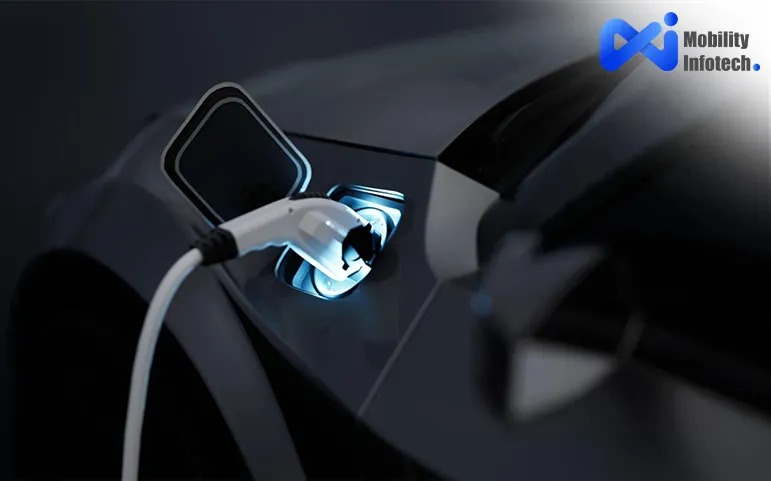
The transition toward sustainable mobility is rapidly increasing across the United States, and taxi service providers are actively exploring electric vehicle (EV) adoption to reduce fuel expenses, support environmental goals, and enhance passenger experience. However, switching to electric fleets requires careful planning and access to complete operational support. Taxi operators need more than EVs—they require charging infrastructure, maintenance solutions, management software, financing plans, and long-term operational guidance. Companies like Mobility Infotech are enabling taxi operators to adopt EV fleets seamlessly with integrated, end-to-end solutions.
What Does an End-to-End EV Solution Include?
For taxi fleets, end-to-end EV solutions ensure that every step of fleet setup and operation is covered, from choosing the right vehicle models to real-time fleet analytics.
Vehicle Procurement & Leasing
Taxi operators can opt for leasing or financing options to avoid heavy upfront investment. Selecting the right EV models based on range, city routes, and passenger comfort is essential.
Charging Infrastructure & Network Partnerships
Smart charging stations at hubs, airports, and high-demand locations ensure continuous operations. EV partners collaborate with national charging networks for extended access and minimal downtime in the United States.
Real-Time Fleet Monitoring & Digital Management
Telematics solutions allow operators to monitor:
-
Battery health and range prediction
-
Driver performance
-
Vehicle location and utilization
-
Charging schedules
Technology platforms from Mobility Infotech enable intelligent decision-making and automated scheduling to improve efficiency.
Maintenance & Support
EV fleets require specialized servicing that ensures safety, efficiency, and performance. End-to-end partners provide routine maintenance, warranty coordination, and roadside assistance to prevent interruptions.
Energy & Cost Optimization
Optimized charging schedules and regenerative braking result in significantly lower operating costs compared to traditional fuel fleets.
Mobility Software Integration
Advanced digital tools support features like:
-
Automated bookings and ride management
-
Real-time tracking and reporting
-
Driver & trip management
-
Payment systems and customer support
How Taxi Operators Can Begin Their EV Transition
Taxi companies in the United States can begin electrification by:
-
Analyzing daily route and charging needs
-
Selecting ideal vehicles and financing models
-
Installing depot charging or partnering with public networks
-
Integrating EV fleet software
-
Training drivers and operational teams
-
Scaling gradually based on performance insights
Why Partner with Mobility Infotech?
Mobility Infotech delivers technology-driven mobility and EV transition solutions designed for transportation companies across the United States. Their complete ecosystem makes it simple and profitable for taxi operators to build modern electric fleets.
They provide:
-
Fleet deployment strategy and planning
-
Smart charging and infrastructure setup
-
Intelligent fleet management software and telematics
-
Predictive maintenance and analytics
-
Cost-effective leasing and financing
FAQs
1. What is the main challenge in EV adoption for taxi fleets?
The biggest challenges include charging setup, infrastructure costs, and route optimization. Expert end-to-end solution providers simplify these barriers.
2. Do taxi operators need personal charging stations?
Not always. Operators may install depot chargers or use existing public charging networks depending on fleet size.
3. How long does an EV transition take?
Initial deployment can begin within weeks, while full transformation follows a scalable rollout plan.
4. Does Mobility Infotech support large taxi fleets?
Yes, Mobility Infotech offers scalable EV solutions suitable for both small and large-scale fleet operators in the United States.
Conclusion
End-to-end electric vehicle solutions empower US taxi operators to create sustainable, cost-efficient, and high-performance fleets. With the support of technology partners like Mobility Infotech, the electric transition becomes seamless, profitable, and future-ready.