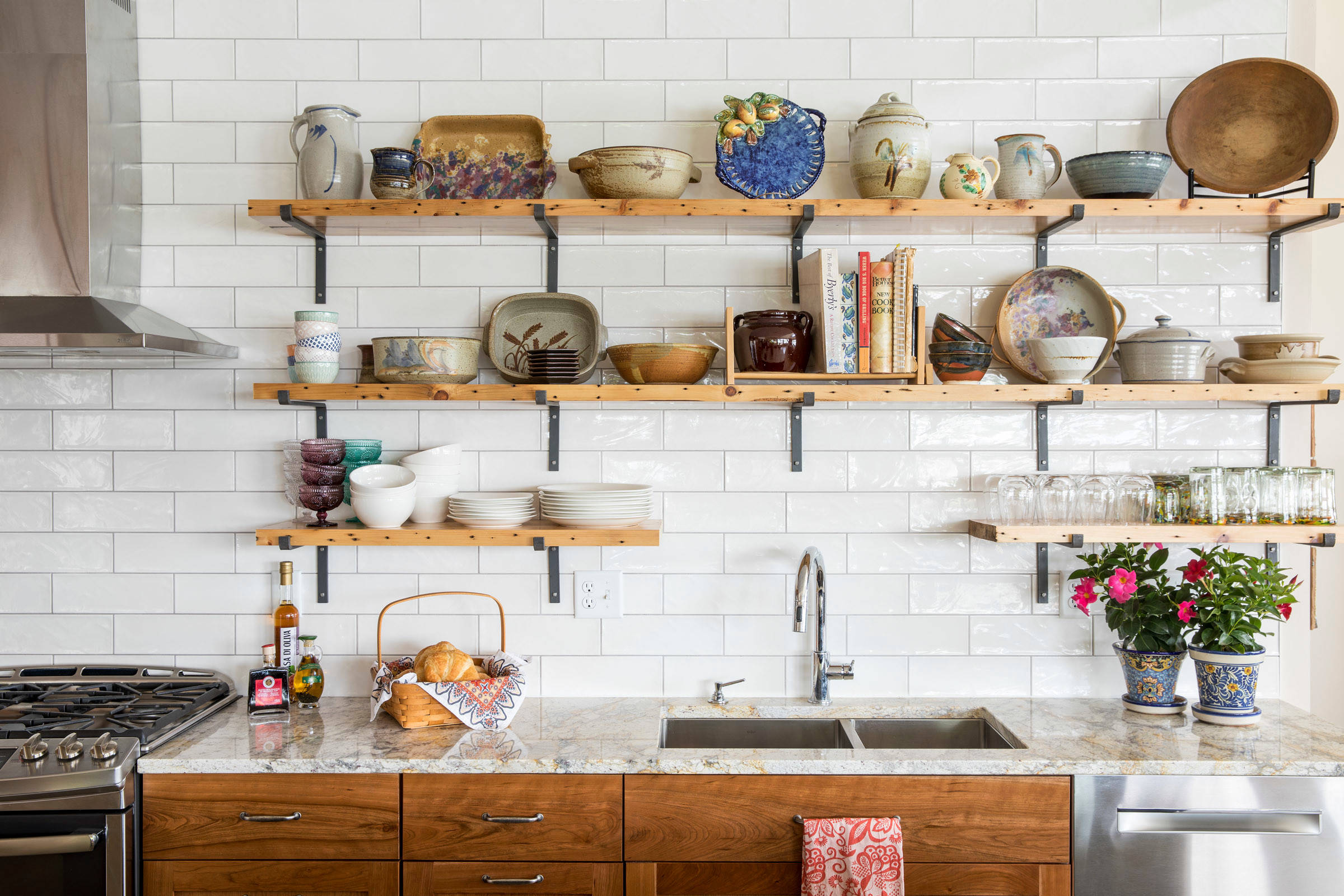
There’s something undeniably elegant about open shelving. It’s stylish, functional, and offers an instant opportunity to show off personality through design. But there’s also a fine line between beautifully curated and visually cluttered. The secret lies in balance, composition, and an eye for detail. Whether in a kitchen, living area, or study, open shelves can uplift the look of a space when styled thoughtfully.
Modern homeowners today are leaning towards open shelving because it reflects a lifestyle that values simplicity, accessibility, and individuality. At developments such as SP Residency by Shapoorji Pallonji, where each home is designed to maximise natural light, space, and elegance, open shelves fit perfectly into the idea of modern, breathable interiors. Here’s how to style them without losing that clean, polished aesthetic.
1. Start With a Clear Vision
Before placing anything on the shelves, decide what you want them to convey. Are they meant to be decorative, functional, or a mix of both? Defining the purpose helps create a cohesive look. If it’s a kitchen, you might display crockery, glass jars, or cookbooks. In a living room, books, plants, and art pieces could take centre stage. Think of your shelves as an evolving story of your home rather than a dumping ground for decor.
Also Read: 5 Colour Combinations That Make Any Room Feel Bigger and Brighter
2. Keep It Balanced, Not Symmetrical
Perfect symmetry can look rigid, but an unstructured arrangement may seem chaotic. The trick is to strike a balance. Mix items of different sizes and shapes while maintaining visual flow. For instance, place a tall vase beside a stack of books or pair a framed photo with a small plant. Leave intentional empty spaces so the eyes can rest — it’s this visual breathing room that keeps open shelves from appearing overcrowded.
3. Layer Thoughtfully
Layering adds depth and dimension. Instead of aligning everything in a straight line, place objects at varying depths — some closer to the front edge, others slightly behind. This technique makes the shelves look curated rather than staged. Layering works especially well in homes with natural lighting and neutral tones, like those at SP Residency, where subtle shadows and highlights enhance every corner’s charm.
4. Stick to a Cohesive Colour Palette
Too many colours can quickly turn a shelf into visual chaos. Choose a palette that complements your room’s overall theme, three to four colours usually work best. For instance, earthy tones with metallic accents or a mix of whites and wood finishes can create harmony. Using recurring colours across objects brings a sense of unity without feeling monotonous.
5. Mix Materials and Textures
Combining different textures instantly makes a shelf more interesting. Mix glass, wood, ceramic, and metal for contrast and character. Textures add warmth and movement, making the shelves feel lived-in but not cluttered. A rustic wooden tray paired with glossy ceramics or woven baskets, alongside sleek photo frames, strikes the right balance between elegance and personality.
6. Function Meets Aesthetics
Especially in smaller spaces, shelves need to do double duty. Functional items like books, plates, or jars can still look stylish when grouped mindfully. For instance, arranging cookbooks by height or colour, or using matching jars for dry ingredients, gives an organised, intentional look. Modular storage elements can keep everyday items tucked away neatly while leaving the rest open for display.
Also Read: What to Expect from the Real Estate Market in 2026?
7. Play With Heights and Shapes
Uniformity can make shelves appear dull. To avoid monotony, vary object heights — tall plants, medium-sized sculptures, and shorter decorative pieces work beautifully together. Triangular groupings, where one tall object is flanked by smaller ones, create visual balance that’s easy on the eyes. Avoid placing items directly in a line across multiple shelves; stagger them vertically for movement and flow.
8. Incorporate Greenery for Freshness
Plants can instantly bring a shelf to life. Trailing greens like pothos or ivy add organic movement, while succulents and ferns add a pop of colour. Apart from enhancing visual appeal, plants also purify indoor air, making them both practical and decorative. Their natural textures contrast beautifully with wood and ceramic finishes, bringing vibrancy to neutral-toned interiors.
9. Curate, Don’t Cram
Open shelving works best when every piece serves a purpose. Be selective — rotate decor items seasonally or whenever you feel the space needs a refresh. Minimalism doesn’t mean emptiness; it’s about intention. Avoid stacking items excessively, and instead, display fewer objects that hold meaning or aesthetic value.
10. Subtle Lighting Makes a Difference
Good lighting can elevate even the simplest shelf. Consider under-shelf LED strips or small spotlights to highlight specific items. Warm lighting creates a cosy ambience, especially during evenings, while natural light during the day keeps the space airy and welcoming.
Open shelving, when done right, can make interiors feel more open, connected, and reflective of one’s personality. Homes like SP Residency by Shapoorji Pallonji, designed with spacious layouts, vitrified flooring, and modular kitchens, provide the perfect backdrop for this trend. When styled mindfully, these shelves not only enhance the beauty of interiors but also tell a quiet story of harmony — between design, functionality, and self-expression.