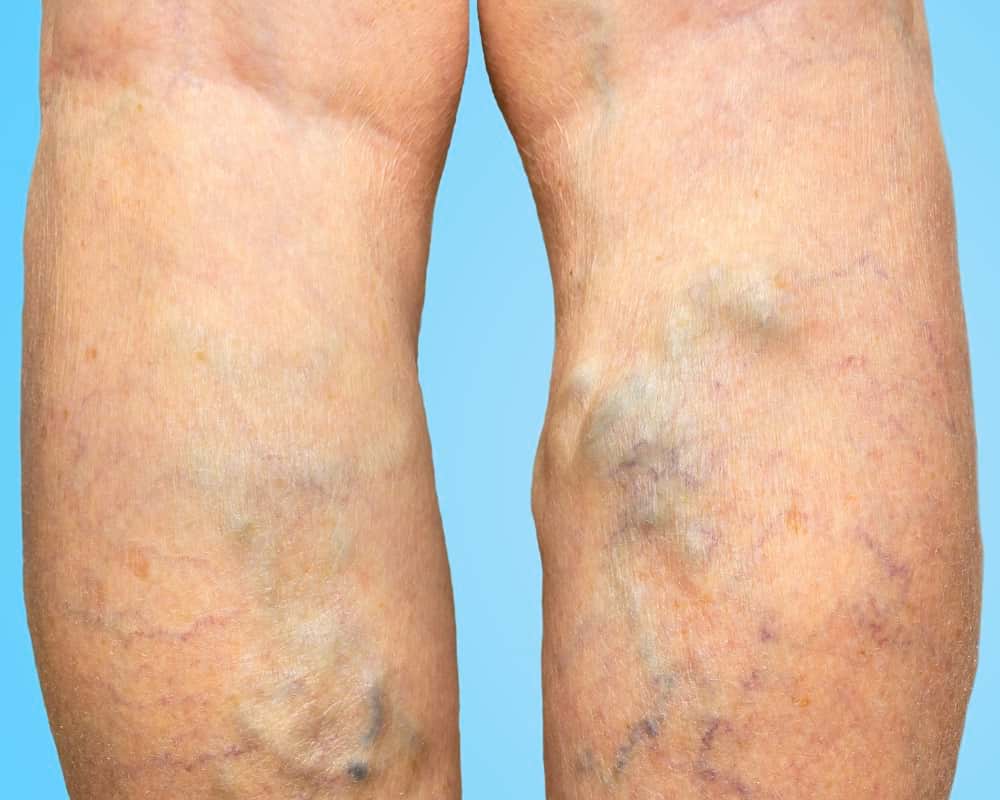
Varicose veins are more than just a cosmetic issue—they can be painful, uncomfortable, and even dangerous if left untreated. They appear as swollen, twisted veins that usually occur in the legs and feet, resulting from weakened valves and poor blood flow.
If you’re dealing with aching, throbbing, or bulging veins, you’re not alone. Millions of people in India suffer from varicose veins, and the good news is that treatment options have advanced significantly in recent years.
In this article, we’ll break down the Top 7 Varicose Veins Treatment Options That Actually Work, explain how they help, and guide you in choosing the best path toward relief and recovery.
Common Symptoms of Varicose Veins
Before diving into treatments, it’s essential to recognize the symptoms:
-
Visible, bulging veins
-
Heaviness or tiredness in the legs
-
Throbbing, burning, or cramping
-
Swelling in ankles or feet
-
Skin discoloration around veins
-
Itchy or irritated skin
If you notice any of these, it’s time to consult a vein specialist.
Causes of Varicose Veins
Varicose veins can affect anyone, but several factors increase your risk:
-
Genetics: If your parents had varicose veins, you’re more likely to develop them.
-
Age: Veins weaken over time, making older adults more susceptible.
-
Gender: Women are more prone due to hormonal changes (e.g., pregnancy, menopause).
-
Obesity: Extra weight puts more pressure on veins.
-
Inactivity: Standing or sitting for long hours hinders proper blood flow.
Top 7 Varicose Veins Treatment Options That Actually Work
Let’s explore the most trusted and effective treatments available in India, especially at advanced clinics like Flowcare.
1. Laser Treatment (Endovenous Laser Therapy – EVLT)
Overview:
EVLT is a minimally invasive laser procedure that closes the damaged vein using heat.
How it works:
A laser fiber is inserted into the vein. Heat energy seals the vein shut, redirecting blood flow to healthier veins.
Benefits:
-
No stitches or hospitalization
-
Quick recovery (1–2 days)
-
High success rate
Ideal for:
Moderate to severe varicose veins.
2. Radiofrequency Ablation (RFA)
Overview:
Like EVLT, RFA uses radiofrequency energy instead of laser to close faulty veins.
How it works:
A catheter delivers radio waves inside the vein, heating and sealing it.
Benefits:
-
Less pain and bruising
-
Short outpatient procedure
-
Minimal downtime
Ideal for:
People looking for a non-surgical yet effective solution.
3. Sclerotherapy
Overview:
A chemical solution is injected into small or medium varicose veins to shrink and close them.
How it works:
The solution irritates the vein lining, causing it to collapse and fade over time.
Benefits:
-
No anesthesia required
-
Quick, walk-in procedure
-
Best for spider veins and smaller varicose veins
Ideal for:
Cosmetic correction and minor vein issues.
4. VenaSeal Closure System
Overview:
A medical adhesive is used to seal the vein shut.
How it works:
A catheter delivers a special glue into the vein, sealing it instantly.
Benefits:
-
No heat or tumescent anesthesia
-
Little to no pain or bruising
-
Fast recovery
Ideal for:
Patients afraid of needles or heat-based treatments.
5. Compression Stockings
Overview:
Tight-fitting elastic socks improve blood flow and reduce symptoms.
How it works:
They compress the legs, helping veins move blood upward more efficiently.
Benefits:
-
Affordable and non-invasive
-
Reduces swelling and discomfort
-
Prevents progression
Ideal for:
Mild cases or post-treatment recovery.
6. Lifestyle Changes & Home Remedies
Overview:
Not all varicose vein cases require medical treatment initially.
How it works:
Simple changes like regular exercise, elevating your legs, losing weight, and avoiding long periods of standing/sitting can greatly help.
Benefits:
-
Cost-effective
-
Improves circulation
-
Reduces risk of worsening
Ideal for:
Early stages or preventive care.
7. Surgical Options (Vein Stripping & Ligation)
Overview:
Traditional surgery involves tying off and removing the affected vein.
How it works:
Performed under anesthesia, the procedure physically removes or ties off damaged veins.
Benefits:
-
Permanent solution
-
Suitable for large or severely damaged veins
Ideal for:
Advanced cases not responding to other treatments.
Choosing the Right Treatment for You
Not all treatments suit everyone. Your doctor will consider:
-
Severity of your condition
-
Age and medical history
-
Symptoms and overall health
-
Personal preference
Clinics like Flowcare offer a full range of diagnostics and personalized treatment plans based on your unique condition.
Why Early Treatment Matters
Ignoring varicose veins can lead to:
-
Skin ulcers
-
Blood clots
-
Bleeding veins
-
Deep vein thrombosis (DVT)
Seeking treatment early not only relieves discomfort but also prevents long-term complications.
Why Choose Flowcare for Varicose Veins Treatment?
Flowcare is a leading healthcare center in India known for its advanced, minimally invasive treatments. Here’s why patients trust them:
-
Experienced vascular specialists
-
State-of-the-art technology
-
Safe, outpatient procedures
-
Customized treatment plans
-
Focus on patient comfort and fast recovery
Visit Flowcare’s Varicose Veins Treatment Page to book a consultation.
Conclusion
Varicose veins are more than just a cosmetic issue—they can impact your health and quality of life. Fortunately, there are many effective ways to treat them. From lifestyle changes and compression therapy to advanced laser treatments, the options are safer, faster, and more successful than ever before.
We’ve covered the Top 7 Varicose Veins Treatment Options That Actually Work, so you can make an informed decision. Whether you’re experiencing mild discomfort or severe symptoms, early diagnosis and professional treatment can make a world of difference.