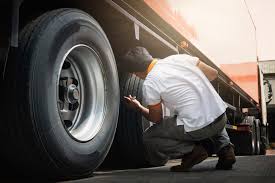
In the trucking industry, every minute your rig is parked in the shop instead of hauling loads means lost revenue. Whether it’s a cracked panel, dented fender, or rusted frame, the big question for any fleet manager or owner-operator is the same: should you repair it or replace it? Knowing when to choose one over the other can save you thousands in downtime and repair bills. That’s where reliable truck body shop services come into play, helping you make smart, cost-effective decisions that keep your fleet rolling safely and efficiently.
Let’s break down how to decide between repairing and replacing, what factors matter most, and how working with the right shop can protect your bottom line.
The Real Cost of Body Damage
Even minor damage to a truck’s body can have bigger consequences than it looks. A bent step, a cracked side panel, or a misaligned door might not seem urgent, but over time, they can lead to structural issues, corrosion, or even DOT inspection failures.
Ignoring these issues doesn’t just affect your truck’s appearance; it impacts safety, aerodynamics, and long-term reliability. And when drivers are hauling tight schedules or heavy loads, the last thing you want is a preventable failure out on the road.
That’s why choosing the right truck body shop services is more than cosmetic care. It’s about protecting your investment, maintaining compliance, and keeping your trucks earning instead of sitting idle.
When to Repair
Repairs make sense when the damage is surface-level or isolated things like scratches, small dents, or limited corrosion. Repairing these issues early helps you avoid bigger structural damage later.
Here’s when a repair is usually your best bet:
- The frame is intact, and there’s no underlying damage.
- The cost of repair is significantly lower than replacement.
- The part’s availability is limited, or waiting for a new one would cause long downtime.
- You’re dealing with minor collision damage or rust spots.
A good shop can restore panels, weld cracks, or realign doors without the need for full replacement. Quick repairs like these get your truck back on the road faster and often cost a fraction of full replacement jobs.
For fleets, speed is everything. If you can get your unit back within a day or two instead of a week, that’s a huge win for productivity and customer satisfaction.
When to Replace
Replacement becomes the smarter option when the damage compromises safety or performance. It’s not worth patching something that will fail again in a few months.
Consider replacement if:
- The structural integrity of the part is compromised.
- There’s significant rust or metal fatigue.
- The repair cost is close to or exceeds the replacement cost.
- The damaged area affects safety-critical systems, such as the cab frame, bumper, or fuel tank.
For example, a cracked hood or door can be repaired, but if it’s repeatedly failing or weakening nearby components, replacement is the more reliable long-term choice. Remember, your trucks represent your brand, and customers notice when you take care of your equipment.
Replacing severely damaged parts not only ensures compliance and safety but also improves fuel efficiency and resale value. Well-maintained, solid bodywork signals professionalism and reliability, the kind of image every Logistics Hustler wants on the road.
The Downtime Equation
Fleet operators live by the clock. Every hour of downtime means lost loads, rescheduled deliveries, and frustrated drivers. So, one of the biggest factors when deciding between repairing and replacing is time.
Repairs usually take less time than replacements, especially if parts are hard to find or back-ordered. However, if a repair job requires multiple follow-ups or compromises long-term reliability, it’s not worth it.
A good truck body shop service provider will help you weigh downtime costs against repair or replacement expenses. Sometimes, paying a little more upfront for a proper replacement saves you more in the long run by avoiding repeat visits or extended downtime.
The Role of Preventive Maintenance
Body damage often ties back to how well your fleet is maintained. Regular inspections help catch corrosion, cracks, and loose fittings before they worsen. Addressing small issues early can mean fewer costly replacements later.
Preventive maintenance also helps you plan repairs on your own schedule, not in the middle of a delivery. By partnering with a dependable ruck body shop service, you can create a maintenance plan that fits your operation, minimizes unplanned downtime, and extends the lifespan of your vehicles.
Partnering with the Right Shop
The difference between a good and great repair often comes down to who’s doing the work. When choosing a body shop, look for one that understands fleet operations, not just one-off repairs.
Here’s what to look for:
- Experience working on medium- and heavy-duty trucks.
- Access to quality OEM and aftermarket parts.
- Fast turnaround times and clear communication.
- Ability to handle everything from paint and panel work to frame straightening.
- Proper certifications and a track record of DOT-compliant repairs.
Partnering with a trusted repair facility means more than just fixing dents; it means having experts who know your fleet inside out. They’ll help you build a preventive repair strategy, track service records, and prioritize what needs attention first.
Balancing Cost and Value
For many fleet owners, the temptation is to go for the cheapest fix. But cheap repairs often lead to repeat issues. It’s better to invest in durable work done right the first time.
A professional body shop can help you find cost-effective alternatives without cutting corners. For instance, remanufactured parts can save money without sacrificing safety or performance. It’s all about balance, getting the most value out of every dollar while keeping your trucks road-ready and compliant.
Think of it like this: a solid repair today prevents an expensive replacement tomorrow. And a well-timed replacement can save your driver from sitting roadside with a blown panel or failed component.
Final Thoughts
In trucking, there’s no one-size-fits-all answer when it comes to body damage. Every situation is different, but the goal stays the same: keep trucks moving, drivers happy, and operations profitable. Partnering with experts in truck body shop services helps you make the right call between repairing and replacing, every time.
For the Logistics Hustler, it’s not about perfection; it’s about precision. Knowing when to fix, when to swap, and when to move keeps your fleet ahead of breakdowns, inspections, and delays. Because when your trucks look good, run strong, and stay compliant, your business earns trust mile after mile.