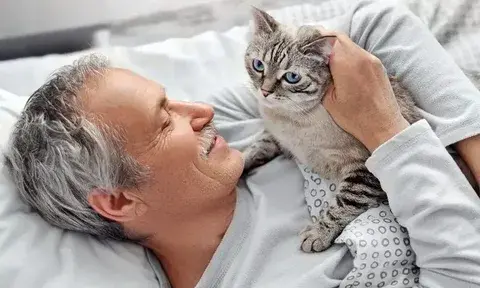
Cats are beloved companions, but their actions can sometimes leave pet owners confused — especially when a seemingly affectionate moment turns into a quick bite. If you’ve ever wondered why your cat suddenly becomes aggressive during petting, you’re not alone. At Animals Pet Health, we help pet owners better understand pet cat behavior so they can build stronger, more trusting relationships with their feline companions.
In this article, we’ll explore common behavioral traits in cats, why biting can occur during petting, and how to create positive interactions that respect your cat’s boundaries.
What Is Normal Pet Cat Behavior?
Cats are complex, independent animals with behavior patterns influenced by their environment, upbringing, and instincts. Unlike dogs, cats don’t always show affection in predictable ways. Understanding what’s normal can help you identify when something might be off.
Common Cat Behaviors Include:
- Head butting or rubbing: Sign of affection and scent marking
- Purring: Often a signal of contentment, but sometimes used to self-soothe
- Tail movements: Swishing can mean irritation; upright usually indicates happiness
- Kneading: A comfort behavior rooted in kittenhood
Learning to read these cues is the first step in understanding pet cat behavior.
Cat Behavior: Biting While Petting
One of the most confusing behaviors for cat owners is when a cat suddenly bites during a petting session. It often feels like a betrayal of trust, but it’s actually a common feline response with specific reasons behind it.
Why Does This Happen?
This type of behavior is often referred to as petting-induced aggression and can occur for several reasons:
1. Overstimulation
Cats have sensitive nerve endings in their skin. Prolonged petting can lead to sensory overload, which triggers a sudden bite as a way to say, “That’s enough.”
2. Sensitivity in Certain Areas
Some cats dislike being touched on certain parts of their body — such as the belly, tail, or feet. What may seem like a gentle stroke to you could feel uncomfortable to your cat.
3. Mixed Signals
Cats may tolerate petting for a time, but once their comfort threshold is reached, they may switch behaviors quickly. This isn’t unpredictability — it’s a sign you’ve missed earlier cues.
At Animals Pet Health, we teach pet parents to recognize early signs of agitation before a bite occurs.
Signs Your Cat Has Had Enough
Learning the warning signs that come before biting can help you avoid negative experiences with your cat.
Watch for These Signs:
- Tail flicking or lashing
- Flattened ears
- Dilated pupils
- Tense body or twitching skin
- Sudden stop in purring
If you notice any of these, it’s time to stop petting and give your cat space. Respecting these signals is crucial for maintaining trust and avoiding fear-based responses.
How to Improve Petting Interactions
Understanding pet cat behavior means meeting your cat on their terms, not forcing affection or interaction when they’re not receptive.
Tips to Create Positive Petting Moments:
1. Let the Cat Initiate Contact
Allow your cat to approach you. This gives them control over the interaction and reduces anxiety.
2. Pet High-Preference Areas
Most cats enjoy being scratched on the head, cheeks, and under the chin. Avoid areas like the belly or tail unless you know your cat is comfortable with that.
3. Keep Sessions Short
Short, frequent petting sessions are often better tolerated than long ones. Stop while your cat is still enjoying the attention to create a positive association.
4. Watch Body Language Closely
Each cat is different. Learn your cat’s personal signs of enjoyment or discomfort, and respond accordingly.
At Animals Pet Health, we recommend using treats and praise to reinforce positive behavior and help your cat associate petting with good experiences.
When to Seek Help for Problematic Cat Behavior
Not all biting is about overstimulation. If biting becomes frequent, intense, or unpredictable, it may be a sign of deeper issues.
Possible Underlying Causes Include:
- Pain or medical issues (e.g., arthritis, dental disease)
- Stress or anxiety due to changes in the environment
- Lack of socialization during kittenhood
- Past trauma or abuse
If your cat’s behavior seems out of character, consult a veterinarian first to rule out physical causes. Then, consider working with a professional animal behavior trainer who specializes in cats.
Animals Pet Health offers resources and referrals to certified feline behaviorists for ongoing support.
FAQ: Pet Cat Behavior
Why does my cat bite me during petting?
This is often due to overstimulation or sensitivity in certain areas. It’s your cat’s way of communicating that they’ve had enough physical contact.
Can I train my cat not to bite while being petted?
You can manage the behavior by learning your cat’s body language, limiting petting time, and rewarding calm interactions. Avoid punishment, as it can increase fear and aggression.
Is biting a sign that my cat doesn’t like me?
Not at all. Cats bite to communicate boundaries, not out of dislike. If your cat initiates contact with you, it still trusts and enjoys your company.
What should I do if my cat bites me?
Stop petting immediately, remain calm, and give your cat space. Don’t react aggressively. If the bite breaks skin, clean the wound and monitor for infection.
Should I see a vet about this behavior?
Yes, especially if the behavior is new or has worsened. Health problems can cause irritability or pain that leads to increased biting.
Final Thoughts from Animals Pet Health
Understanding pet cat behavior takes time, observation, and patience. Biting during petting may seem alarming, but it’s often a manageable communication issue rather than a sign of aggression. By learning to recognize your cat’s boundaries and respecting their preferences, you can create a more peaceful and rewarding relationship.
At Animals Pet Health, we are dedicated to helping you decode your cat’s actions and provide care that respects their unique personality. If you’re ever in doubt, seek professional guidance to ensure both you and your feline friend are happy, healthy, and bonded for life.
Explore more behavior insights and pet care tips at Animals Pet Health, your trusted partner in feline wellness.