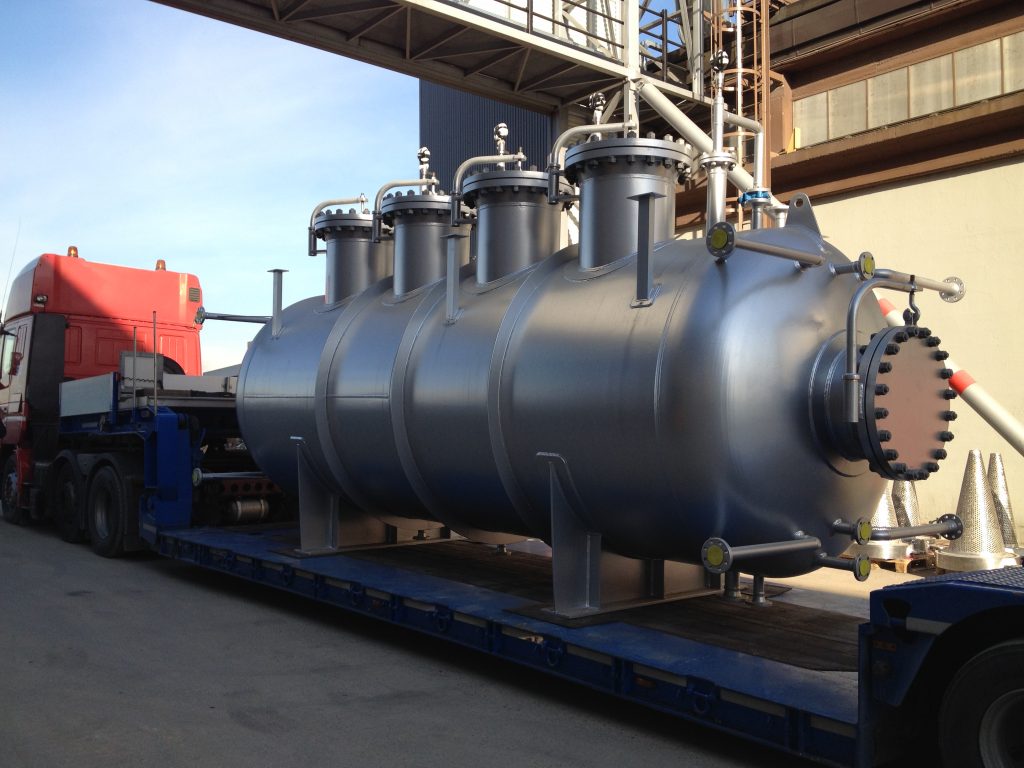
Pressure vessels are essential components in industries that deal with gases and liquids under high pressure. These specialized containers are designed to hold substances at pressures different from the surrounding environment. From power plants and oil refineries to chemical processing and food industries, pressure vessels play a critical role in ensuring safety, efficiency, and performance.
In this blog, we will explore the types of pressure vessels, their design standards, materials used, and common applications across industries.
What is a Pressure Vessel?
A pressure vessel is a closed container designed to hold gases or liquids at a pressure significantly higher or lower than the ambient pressure. Due to the risks associated with high pressure, these vessels are manufactured under strict guidelines and safety codes to prevent accidents like leaks or explosions.
Focus Keywords: pressure vessel, types of pressure vessels, pressure vessel design, pressure vessel applications.
Importance of Pressure Vessels
-
Safety: They safely store and transport hazardous gases and liquids.
-
Efficiency: They enable industries to operate at controlled pressures for better performance.
-
Versatility: They are used across multiple industries including petrochemicals, oil and gas, and pharmaceuticals.
-
Durability: Designed with robust materials, they withstand extreme pressure and temperature.
Types of Pressure Vessels
-
Storage Vessels
-
Used to store compressed gases or liquids.
-
Common in industries like oil refining, chemical plants, and gas distribution.
-
-
Heat Exchangers
-
Facilitate the transfer of heat between fluids.
-
Widely used in power generation and HVAC systems.
-
-
Process Vessels
-
Designed for mixing or separating chemicals under pressure.
-
Examples include distillation columns and reactors.
-
-
Boilers
-
Generate steam by heating water under pressure.
-
Essential in thermal power plants and industrial heating systems.
-
Design Standards for Pressure Vessels
The design of a pressure vessel follows strict international standards to ensure reliability and safety. Some common standards include:
-
ASME Section VIII: The most widely recognized standard for pressure vessel design.
-
PED (Pressure Equipment Directive): European standard regulating pressure equipment.
-
API Standards: Used in the oil and gas industry for vessel construction and operation.
Key design factors:
-
Wall thickness
-
Material selection
-
Corrosion resistance
-
Pressure and temperature limits
-
Safety valves and inspection requirements
Materials Used in Pressure Vessels
-
Carbon Steel: Cost-effective and suitable for moderate pressures.
-
Stainless Steel: Offers corrosion resistance, ideal for chemical and food industries.
-
Nickel Alloys: Used in high-temperature and corrosive environments.
-
Aluminum and Composite Materials: Lightweight options for specific applications.
Applications of Pressure Vessels
-
Oil and Gas Industry
-
Storage of crude oil, natural gas, and petrochemicals.
-
-
Power Generation
-
Boilers and steam drums in thermal power plants.
-
-
Chemical Processing
-
Reactors, separators, and distillation towers.
-
-
Pharmaceutical and Food Industry
-
Sterilization and processing under controlled pressure.
-
-
Water Treatment
-
Used in filtration, softening, and desalination plants.
-
Safety Measures in Pressure Vessels
-
Regular inspections and testing.
-
Use of safety valves to release excess pressure.
-
Non-destructive testing methods like radiography and ultrasonic inspection.
-
Following strict design codes and certifications.
Future of Pressure Vessels
With industries moving towards sustainability and advanced technologies, pressure vessels are evolving too. The demand for lightweight, corrosion-resistant materials and advanced monitoring systems is rising. Smart sensors and digital monitoring are expected to enhance safety and efficiency in future designs.
Conclusion
Pressure vessels are indispensable in industries requiring storage and handling of pressurized fluids and gases. Their design, safety features, and material selection ensure smooth operation in critical processes. As industries advance, pressure vessels will continue to play a vital role in supporting innovation, safety, and efficiency.