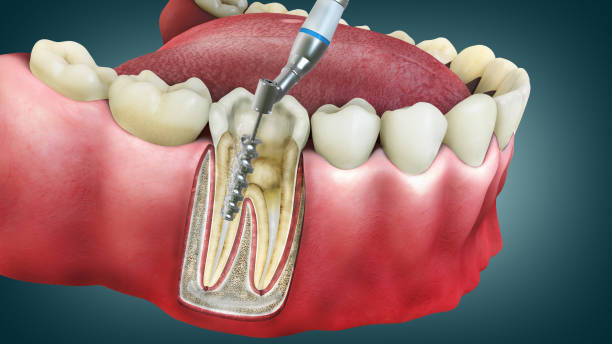
Root canal treatment is a common dental procedure that helps save a tooth affected by severe decay or infection. Many people feel anxious about it, but understanding what it involves can make the process less intimidating.
What is a Root Canal?
A Root Canal Redwood City is a restorative dental procedure that treats infection or inflammation within a tooth’s pulp—i.e. the soft tissue containing nerves and blood vessels. This damage often results from deep decay, cracks, or trauma, leading to pain, swelling, or abscess formation. If left untreated, the infection can spread and compromise surrounding teeth or bone, potentially resulting in tooth loss. Root canal therapy removes the infected pulp, thoroughly cleans and disinfects the inner chamber, and seals the tooth to prevent future complications. This process preserves the tooth’s structure and function, supporting long-term oral health and comfort.
Why Is a Root Canal Necessary?
A root canal is necessary when the pulp tissue inside the tooth is severely damaged or infected. Common signs indicating the need for this procedure include:
- Persistent toothache or sensitivity to hot, cold, or sweet foods
- Swelling or tenderness in the gums near the affected tooth
- Discoloration or darkening of the tooth
- A persistent pimple or abscess on the gums
- Severe decay that cannot be treated with a simple filling
What Does the Procedure Involve?
Root canal treatment typically involves several steps, usually performed over one or two dental visits:
- Diagnosis and X-ray: The dentist examines your tooth and takes an X-ray to determine the extent of the infection or damage.
- Anesthesia: Local anesthesia is administered to numb the area, ensuring that you remain comfortable throughout the procedure.
- Access Opening: The dentist creates a small opening in the crown of the tooth to reach the pulp chamber and root canals.
- Removing the Infected Pulp: The infected or damaged pulp tissue is carefully removed from the pulp chamber and root canals.
- Cleaning and Shaping: The empty spaces are thoroughly cleaned, disinfected, and shaped to prepare for filling.
- Sealing the Canals: The cleaned root canals are filled with a biocompatible material called gutta-percha and sealed to prevent bacteria from re-entering.
- Restoration: After the root canal is completed, the tooth is often restored with a crown or filling to restore its strength and functionality.
What to Expect After Treatment
After a root canal, you might experience some mild discomfort or sensitivity, which can be managed with over-the-counter pain relievers. Maintaining good oral hygiene and attending regular dental check-ups help ensure the success of the treatment. Your dentist may recommend a crown or other restoration to protect the repaired tooth from future damage.
Root canal therapy is a safe and effective way to treat infected or damaged teeth and preserve your natural smile. While it might sound daunting, understanding the process and benefits can help reduce anxiety. With proper care and regular dental visits, a tooth that has undergone root canal treatment can last a lifetime, allowing you to enjoy a healthy, confident smile.