In homes and buildings across the country, many HVAC professionals and property owners have started noticing a fine white powder collecting on surfaces. Often mistaken for common household dust, this residue—known as white dust—has a different source and potentially broader implications. So, what is it precisely, and is it something you need to worry about?
Let’s break it down.
What Is White Dust?
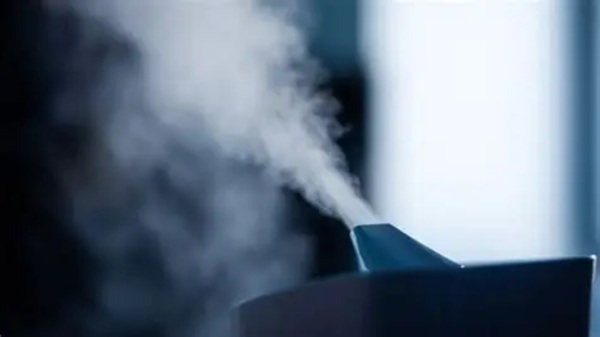
White dust is a fine, powdery residue that can appear on furniture, electronics, vents, and other surfaces. In contrast to ordinary dust made up of skin particles, fibers, and other debris, white dust usually consists of minerals. It forms when hard water—water with a high concentration of calcium and magnesium—is vaporized and then re-deposited as tiny mineral particles in the air.
This issue is most commonly associated with ultrasonic
humidifiers and evaporative coolers that use hard tap water. When the water is turned into mist or vapor, the minerals come along for the ride, eventually settling as white dust.
White Dust and HVAC Systems
While ultrasonic humidifiers are a well-known source, HVAC systems—especially those integrated with humidification units—can also contribute to white dust problems. If your HVAC system is using hard water in any part of its operation, it could be silently distributing mineral particles throughout your building.
Here’s how HVAC systems can amplify the issue:
Humidifier Attachments: Furnace or duct-mounted humidifiers that aren’t properly filtered may spray mineral-laden mist into the ductwork.
Poor Air Filtration: HVAC systems with outdated or low-efficiency filters may recirculate white dust throughout the building.
Lack of Maintenance: Mineral build-up inside coils, filters, or ducts can degrade system performance and release additional particulates into the air.
Is White Dust Harmful?
For most people, white dust is more of an inconvenience than a health hazard. However, there are a few key concerns to keep in mind:
Respiratory Irritation: Individuals with allergies, asthma, or other respiratory conditions may be sensitive to airborne particles, including mineral dust.
Electronics and Appliances: The fine particles can accumulate inside electronics or HVAC equipment, potentially reducing performance or causing long-term wear.
Aesthetic and Maintenance Issues: It settles quickly on surfaces, requiring more frequent cleaning and adding to building maintenance workloads.
While it’s not toxic, white dust is still a sign of inefficiency in your HVAC or humidification setup—and ignoring it could lead to higher energy costs and faster equipment wear.
How to Identify White Dust in Your Building
Not all dust is created equal. If you’re seeing persistent powdery residue on horizontal surfaces near vents or humidifiers, here’s how to confirm whether it’s white dust:
Water Source Test: Use distilled water in your humidifier for a week. If the dust disappears, minerals in your tap water are likely the culprit.
Surface Inspection: Compared to normal dust, white dust is generally lighter in color and has a finer texture. It often forms a chalky residue that wipes off easily but returns quickly.
HVAC Filter Check: Inspect your system’s filters for a white or gray coating, especially if your system uses humidifiers or pulls from local hard water sources.
Practical Solutions for Controlling White Dust
Fortunately, there are straightforward, cost-effective ways to reduce or eliminate white dust in residential and commercial environments.
1. Use Distilled or De-mineralized Water
When using humidifiers, switch to distilled water to avoid releasing minerals into the air.
2. Upgrade HVAC Filtration
Install high-efficiency HVAC filters (MERV 11 or higher) to capture smaller particulates like mineral dust.
3. Add a Water Softening System
If your building uses hard water, consider integrating a water softening system to reduce mineral content across all plumbing, including any HVAC-connected water lines.
4. Regular Maintenance and Cleaning
Schedule routine HVAC maintenance to inspect for mineral buildup in humidifiers, coils, and ductwork.
5. Invest in Smart Humidification Systems
Modern humidifiers with built-in demineralization cartridges or filters help mitigate white dust at the source.
Final Thoughts
White dust is a warning sign. It’s not just a nuisance—it signals inefficiencies in your HVAC or humidification system that could lead to bigger problems if ignored. Fortunately, with a few adjustments—better water, better filtration, and proactive maintenance—you can tackle this issue head-on.
For building managers, homeowners, and HVAC professionals alike, staying informed about white dust is more than a matter of cleanliness—it’s a step toward smarter, healthier indoor environments – https://acjakarta.com