
Traveling is an exciting adventure, but it also comes with health considerations that every traveler should be aware of. In New South Wales (NSW), Australia, travel health services and vaccination programs are carefully aligned with state and national guidelines to ensure that residents stay safe and healthy while exploring the world.
This comprehensive guide covers everything you need to know about vaccinations and travel health services in NSW, including the importance of pre-travel consultations, recommended vaccines, how to access services, and tips for staying healthy abroad.
Understanding the Importance of Travel Health Services
Travel health services play a crucial role in preparing travelers for international trips. These services provide tailored advice based on the destination, duration of travel, and individual health status. NSW health authorities emphasize the importance of consulting with healthcare professionals well before departure to reduce the risk of illness and complications during travel.

Travel health consultations typically include a review of your medical history, current medications, and any existing health conditions. This personalized approach helps identify which vaccinations and preventive measures are necessary, ensuring that travelers are adequately protected against diseases prevalent in their destination countries.
Why Pre-Travel Health Consultations Matter
One of the most significant reasons to seek travel health advice is to receive vaccinations that may not be part of routine immunization schedules. Diseases such as yellow fever, typhoid, Japanese encephalitis, and rabies are more common in certain regions and require specific vaccines that should be administered weeks before travel.
Additionally, travel health consultations provide an opportunity to discuss other health risks, including mosquito-borne illnesses like dengue fever and malaria, food and water safety, and managing chronic conditions while abroad. This proactive approach helps minimize health risks and ensures a safer travel experience.
Moreover, travel health services often include information on local healthcare facilities and emergency contacts at the destination, which can be invaluable in case of sudden health issues. Understanding the healthcare system of a foreign country can help travelers navigate potential challenges more effectively, ensuring that they know where to go and what to do in the event of a medical emergency. Furthermore, these consultations can also cover mental health considerations, such as managing anxiety related to travel or adjusting to different time zones, which can significantly impact a traveler’s overall well-being. For more personalized guidance and comprehensive medical care, you can visit Shire Doctors and Dentists website, who provide an extensive array of medical treatments, offering you a wealth of expertise, all conveniently available under one roof.
Another vital aspect of travel health services is the guidance on travel insurance. Many travelers overlook the importance of having adequate coverage that includes health-related incidents. A travel health consultation can help clarify what types of insurance are necessary and what specific health-related scenarios should be covered, providing peace of mind while exploring new destinations. This comprehensive preparation not only enhances the travel experience but also empowers travelers to engage fully in their adventures, knowing they have taken the necessary precautions to protect their health.
Vaccinations Recommended by NSW Guidelines for Travelers
The NSW Ministry of Health follows recommendations from the Australian Immunisation Handbook and the National Health and Medical Research Council (NHMRC) to guide vaccination practices for travelers. These guidelines are regularly updated to reflect emerging global health threats and changes in disease patterns.
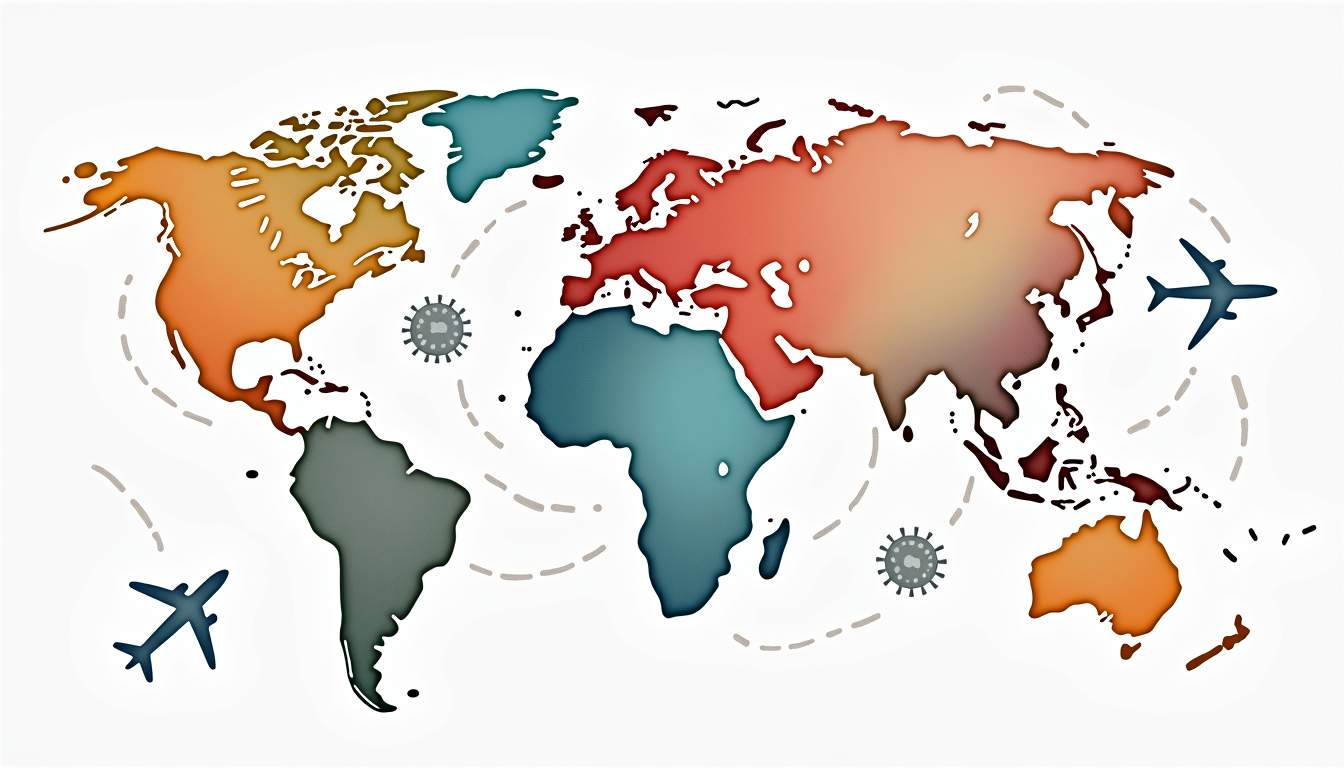
Below are some of the key vaccinations recommended for travelers departing from NSW, depending on their destination and travel plans.
Routine Vaccinations to Update Before Travel
Before considering destination-specific vaccines, it is essential to ensure routine immunizations are current. These include:
- Measles, Mumps, and Rubella (MMR): Particularly important for travelers visiting countries with ongoing outbreaks.
- Diphtheria, Tetanus, and Pertussis (Whooping Cough): Booster doses may be recommended if it has been more than 10 years since the last vaccination.
- Influenza: Annual flu vaccination is advised, especially for travel during flu season.
- Polio: Ensuring full immunization is crucial for travel to areas where polio remains a risk.
Destination-Specific Vaccinations
Depending on where you are traveling, additional vaccines may be necessary. Some of the most common include:
- Yellow Fever: Required for travelers to certain countries in Africa and South America. Proof of vaccination may be mandatory for entry.
- Typhoid: Recommended for travelers to parts of Asia, Africa, and the Caribbean where typhoid fever is prevalent.
- Hepatitis A and B: Hepatitis A vaccination is advised for most international travel, especially to developing countries. Hepatitis B is recommended for longer stays or potential exposure to blood or bodily fluids.
- Japanese Encephalitis: Recommended for travelers spending extended time in rural areas of Asia during transmission seasons.
- Rabies: Considered for travelers at risk of animal bites in regions where rabies is common.
- Meningococcal Disease: Required for pilgrims traveling to Saudi Arabia for Hajj and Umrah, and recommended for travelers to certain parts of Africa.
Malaria Prevention and Prophylaxis
While there is no vaccine for malaria currently available in Australia, NSW guidelines emphasize the importance of malaria prophylaxis for travelers to endemic regions. Healthcare providers will recommend appropriate antimalarial medications based on the destination, duration of travel, and individual health factors.
In addition to medication, travelers are advised to use mosquito repellents, wear protective clothing, and sleep under insecticide-treated bed nets to reduce the risk of mosquito bites. It is also beneficial to plan activities during times when mosquitoes are most active, typically at dawn and dusk, to minimize exposure. Understanding the local environment and potential mosquito breeding sites can further aid in prevention efforts, ensuring a safer travel experience.
Furthermore, travelers should remain vigilant about their health and be aware of any symptoms that may arise during their journey. Early detection of malaria or other travel-related illnesses can significantly improve treatment outcomes. Keeping in touch with local health services and knowing the nearest medical facilities can provide peace of mind while traveling in high-risk areas.
Accessing Travel Health Services in NSW
NSW offers a range of travel health services through general practitioners, specialized travel clinics, and community health centers. These services are designed to provide comprehensive pre-travel advice, vaccinations, and health planning tailored to individual needs.
Booking a Travel Health Consultation
It is recommended to schedule a travel health consultation at least 4 to 6 weeks before departure. This lead time allows for the administration of vaccines that require multiple doses or time to develop immunity.
Many general practitioners in NSW are trained to provide travel health advice and vaccinations. However, specialized travel clinics often have more extensive vaccine supplies and expertise in complex travel health issues.
Costs and Funding for Travel Vaccinations
Some travel vaccines are covered under the National Immunisation Program (NIP) for eligible groups, but many destination-specific vaccines require out-of-pocket payment. It is advisable to inquire about costs when booking your appointment and check whether private health insurance covers any of the expenses.
Public health clinics may offer vaccinations at a lower cost, but availability can vary. Planning ahead and discussing options with your healthcare provider can help manage costs effectively.
Documentation and International Health Certificates
Certain vaccinations, such as yellow fever, require an International Certificate of Vaccination or Prophylaxis (ICVP), commonly known as the “yellow card.” NSW travel health services can provide these certificates upon vaccination.
Travelers should keep their vaccination records handy during travel and check entry requirements for their destination countries to avoid any issues at border control.
Additional Travel Health Tips and Considerations
Beyond vaccinations, maintaining good health during travel involves several practical steps. NSW health authorities encourage travelers to adopt a holistic approach to travel health safety.
Food and Water Safety
Consuming safe food and water is critical to preventing gastrointestinal illnesses. Travelers should avoid tap water in countries where water quality is uncertain and opt for bottled or boiled water. Eating freshly cooked food and avoiding raw or undercooked items can also reduce the risk of foodborne diseases.
Sun Protection and Hydration
Many popular travel destinations have intense sun exposure. Using broad-spectrum sunscreen, wearing hats and protective clothing, and staying hydrated are essential to prevent sunburn and heat-related illnesses.
Managing Chronic Conditions
Travelers with chronic health conditions should carry sufficient medication, copies of prescriptions, and a letter from their healthcare provider explaining their medical needs. It’s also wise to research healthcare facilities at the destination in case of emergencies.
Travel Insurance and Emergency Planning
Comprehensive travel insurance that covers medical emergencies is strongly recommended. NSW travel health services often advise travelers to familiarize themselves with local emergency numbers and embassy contacts before departure.
Staying Informed: Updates and Alerts from NSW Health
Global health situations can change rapidly, as seen with the COVID-19 pandemic. NSW Health provides timely updates and travel advisories to help residents make informed decisions.
Travelers should regularly check official NSW Health and Australian Government Department of Health websites for the latest information on vaccination requirements, travel restrictions, and health alerts.
COVID-19 and Travel Health
The COVID-19 pandemic has introduced new considerations for travelers, including vaccination requirements, testing protocols, and quarantine measures. NSW guidelines continue to evolve in response to the pandemic, emphasizing the importance of staying current with recommendations.
Many travel health clinics now include COVID-19 vaccinations and boosters as part of their pre-travel services, ensuring travelers meet destination-specific entry requirements.
Conclusion
Traveling safely requires careful preparation, and vaccinations are a cornerstone of travel health protection. NSW’s alignment with national guidelines ensures that travelers receive up-to-date, evidence-based advice tailored to their destinations and personal health needs.

By engaging with travel health services well in advance, updating routine immunizations, obtaining destination-specific vaccines, and following practical health tips, travelers can significantly reduce their risk of illness abroad. Staying informed through official NSW Health channels further supports a safe and enjoyable travel experience.
Whether embarking on a short holiday or an extended international journey, prioritizing vaccinations and travel health services is an investment in peace of mind and well-being.