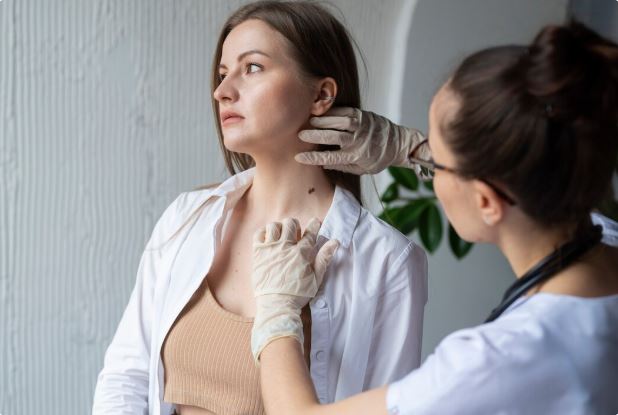
Warts are common skin growths that appear when a virus infects the top layer of the skin. This virus is known as the human papillomavirus (HPV). Warts can develop anywhere on the body, and they are usually wart removal. However, many people choose to remove them for cosmetic or comfort reasons.
What Are Warts?
Warts are small, rough lumps or growths that can form on the hands, feet, face, or other areas. They are caused by certain types of HPV that enter the skin through a cut or scrape. Once inside the body, the virus causes the skin to grow rapidly, forming a wart.
There are several types of warts, including:
-
Common warts: Often appear on fingers or hands.
-
Plantar warts: Found on the soles of the feet.
-
Flat warts: Smaller and smoother, usually on the face or legs.
-
Filiform warts: Long and narrow, often found near the mouth or nose.
-
Periungual warts: Found under or around fingernails and toenails.
How Do Warts Spread?
Warts are contagious. They can spread from person to person through direct contact or indirectly by sharing personal items like towels, shoes, or razors. Touching a wart and then touching another part of your body can also spread the virus.
Not everyone who comes into contact with HPV will get warts. It depends on the strength of their immune system and how their skin responds to the virus.
When Should You Remove a Wart?
Most warts go away on their own, but it can take months or even years. You might consider removing a wart if:
-
It causes pain or discomfort
-
It bleeds or changes in appearance
-
It spreads to other parts of your body
-
You feel embarrassed or self-conscious about it
-
It does not go away with time or home remedies
In these situations, it’s a good idea to explore wart removal methods with a qualified healthcare provider.
Wart Removal Methods
There are several safe and effective ways to remove warts. Some can be done at home, while others require professional care. Here are the most common options:
Salicylic Acid
This is a common over-the-counter treatment for warts. It comes in the form of liquids, pads, or gels. The acid slowly removes layers of the wart over time. It may take several weeks to see results. For best effects, it’s recommended to soak the wart in warm water before applying the product.
Cryotherapy
Cryotherapy is a popular professional treatment. It involves freezing the wart using liquid nitrogen. This causes the skin to blister and eventually fall off. Several sessions may be needed. Cryotherapy is effective but can cause discomfort during the process.
Electrosurgery and Curettage
This technique is used for tougher or larger warts. The wart is burned using electric current (electrosurgery), then scraped away using a small instrument (curettage). This method works well but may leave a small scar.
Laser Treatment
Laser therapy is a high-tech option that uses strong light beams to destroy wart tissue. It is often used when other treatments fail. Laser treatment is precise and effective, though it may be more expensive than other methods.
Chemical Peels
For flat warts on the face and neck, chemical peels containing retinoids or acids can be applied. These treatments help exfoliate the skin and gradually remove the warts.
Immunotherapy
This method helps boost the body’s immune response to fight off the wart-causing virus. Certain creams or injections can be used to trigger an immune reaction. This method may be suggested when other treatments do not work.
Natural Remedies
Some people try natural remedies like applying garlic, apple cider vinegar, or banana peel. While these methods may work for some, they are not scientifically proven and may irritate the skin. It’s best to consult a doctor before trying home treatments.
Preventing Warts
Although it is not always possible to prevent warts, there are steps you can take to reduce your risk:
-
Avoid touching warts on yourself or others
-
Do not share personal items like razors or towels
-
Keep your skin clean and dry
-
Wear flip-flops in public showers or pools
-
Cover cuts or scrapes with a bandage
Practicing good hygiene is the best way to protect yourself from HPV and wart outbreaks.
Can Warts Come Back?
Yes, warts can return even after treatment. This happens because the virus may still be present in the skin. Repeated exposure or a weak immune system can increase the chances of warts coming back. That is why follow-up care and proper hygiene are important.
Choosing the Right Treatment
The best wart removal method depends on the type, location, size, and number of warts. It also depends on your overall health and how your body responds to treatments. A skin specialist can help you decide on the most suitable option.
Avoid picking at warts or trying to remove them yourself with sharp objects. This can lead to infection or scarring.
Safe and Professional Wart Removal
If you’re dealing with stubborn or uncomfortable warts and want a safe solution, it is important to visit a trusted clinic that offers skin treatments by trained professionals.
At Hash Clinics, experienced skin care experts offer reliable wart removal services. They assess each case individually and suggest the best treatment plan. Whether you are looking for laser, freezing, or topical solutions, Hash Clinics ensures clean and hygienic care to help restore your skin’s health and comfort.