Understanding West Virginia Sales Tax is essential for any business selling taxable goods or certain services in the state. This tax is collected from customers at the time of purchase and then sent to the West Virginia State Tax Department. Whether you run a physical store, offer services, or sell products online, knowing how this tax works helps you stay compliant, avoid penalties, and keep your financial records accurate.
What West Virginia Sales Tax Covers
West Virginia Sales Tax applies to most retail sales of tangible goods and specific services. Businesses act as tax collectors on behalf of the state, adding the tax amount to customer purchases. The standard state sales tax rate is 6%, but some areas add a local rate on top of the state rate. This means the total rate can be slightly higher depending on where the sale occurs.
Who Must Collect Sales Tax
Businesses that must collect West Virginia Sales Tax include:
-
Physical retail stores
-
Food service businesses
-
Certain service providers
-
Online businesses selling to West Virginia residents
Even if your business is based outside West Virginia, you may be required to collect sales tax if your sales meet the state’s economic nexus rules.
Registering for Sales Tax
Before you can collect sales tax, you need to apply for a West Virginia Business Registration Certificate. This process is handled through the West Virginia State Tax Department. Once you receive approval, you will be authorized to collect sales tax and will be responsible for filing returns.
Understanding Sales Tax Rates
The state rate is 6%, but some cities and municipalities have an additional local sales tax. If your business is located in such an area, you will need to combine the state and local rates when charging customers. For example, if your city has a 1% local tax, the total rate becomes 7%.
Tax-Exempt Items
Some items and services are exempt from West Virginia Sales Tax. Common exemptions include:
-
Prescription medications
-
Certain groceries
-
Specific medical equipment
-
Some agricultural products
If you sell exempt items, it is important to maintain proper documentation and collect exemption certificates when necessary.
Filing and Paying the Tax
Once collected, sales tax must be reported and paid to the state on a regular schedule—monthly, quarterly, or annually—depending on your sales volume. Filing on time is crucial to avoid penalties and interest charges. The state provides an online filing system that makes the process more convenient for businesses.
Why Use a Sales Tax Calculator West Virginia
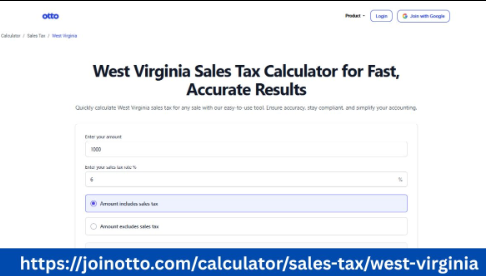
A sales tax calculator West Virginia is a useful tool for determining the correct amount of tax to charge, especially if you sell in multiple locations with different local rates. By entering the sale price and location, you can instantly find the correct tax rate to apply, reducing errors and ensuring compliance.
Good Recordkeeping Practices
Accurate recordkeeping helps you stay organized and prepared in case of an audit. Keep track of:
-
All taxable sales
-
All exempt sales with supporting documents
-
Sales tax collected and paid
Digital accounting software can make this process more efficient and secure.
Sales Tax for Online Sellers
If you sell products online to West Virginia customers, you may need to collect the tax even if you have no physical location in the state. This is due to economic nexus laws, which require out-of-state sellers to collect tax if their sales exceed certain thresholds.
Some e-commerce platforms automatically calculate and collect sales tax for you, but it is your responsibility to verify accuracy.
Avoiding Problems with Compliance
Non-compliance with West Virginia Sales Tax laws can lead to fines, interest charges, and legal action. To stay on track, many business owners use automated tax software, calendar reminders, and professional tax advice. Tools offered by companies like Otto AI can help make tax management easier and more accurate.
Conclusion
West Virginia Sales Tax is an important part of running a business in the state. Knowing the rates, exemptions, registration process, and filing requirements ensures you stay compliant and avoid penalties. Using tools like a sales tax calculator West Virginia can help you determine accurate tax amounts and simplify your workflow.
For small business owners and self-employed entrepreneurs, understanding West Virginia Sales Tax is more than just a legal requirement—it’s a key part of keeping your business healthy and sustainable.