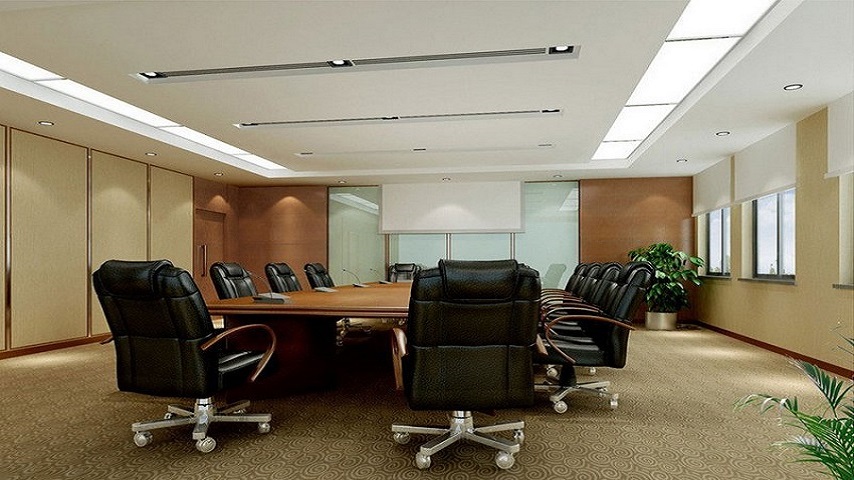
Office design has evolved dramatically over the past few decades, and at the core of this evolution lies office space planning—a strategic process that balances aesthetics, functionality, and employee well-being. As businesses continue to adapt to changing work cultures, especially in the wake of hybrid and remote models, space planning has emerged as a foundational component of successful workplace design.
What Is Office Space Planning?
Office space planning refers to the methodical organization and layout of physical office space to support efficient workflows, communication, and employee satisfaction. It involves the thoughtful allocation of space, furniture, and resources to ensure that every square foot is used effectively. More than just deciding where desks and chairs go, space planning encompasses:
- Determining the optimal number of workstations
- Defining collaborative zones vs. private areas
- Accommodating technology and infrastructure needs
- Allowing for future growth and flexibility
- Ensuring compliance with health, safety, and accessibility regulations
This process typically begins with an assessment of a company’s goals, the nature of its work, and how its employees interact. Based on this, architects or interior designers develop a space plan that aligns physical layout with organizational needs.
Why Is Office Space Planning Crucial in Modern Office Design?
- Improves Productivity and Efficiency
One of the most immediate benefits of effective space planning is improved workflow. When employees have easy access to resources, can collaborate without disruption, and enjoy a comfortable working environment, they naturally become more productive. For instance, strategically placing teams that work closely together near each other reduces communication lag and fosters synergy.
- Supports Employee Well-Being
Modern office design recognizes the strong link between environment and mental health. A well-planned office takes into account natural light, ergonomic furniture, breakout spaces, and even areas for relaxation or socialization. This not only helps reduce stress but also boosts morale and job satisfaction.
- Maximizes Space Utilization
Real estate is expensive, especially in urban centres. Poor space management often results in unused or underutilized areas. Through smart planning, companies can optimize every inch of their workspace, making room for both current operations and potential expansion. Whether it’s hot-desking, shared meeting rooms, or multi-functional zones, space planning ensures nothing is wasted.
- Adapts to Hybrid and Flexible Work Models
Today’s workforce is increasingly mobile. With many employees working remotely part-time or full-time, office needs are changing. Space planning helps businesses transition to flexible work environments, including modular furniture, bookable desks, and open collaboration zones. This ensures the office remains a vibrant hub, not a ghost town.
- Enhances Brand Identity and Culture
Your office speaks volumes about your brand. Space planning enables companies to design a workplace that reflects their values and culture. Whether it’s an open and transparent environment for a startup or a formal, quiet space for a law firm, the physical layout reinforces your company’s identity and helps attract and retain the right talent.
- Facilitates Compliance and Safety
Planning an office space isn’t just about creativity; it also involves meeting legal requirements. Space planning ensures that fire exits are accessible, pathways are clear, and workstations comply with occupational health standards. It plays a vital role in creating a safe and legally compliant workplace.
Elements Involved in Office Space Planning
Effective office space planning involves a range of key elements:
- Space Analysis: Understanding how much space is needed per function and employee.
- Zoning: Dividing the office into functional areas such as workspaces, meeting rooms, break areas, etc.
- Furniture Planning: Choosing and positioning furniture for comfort and utility.
- Technology Integration: Ensuring seamless access to power, internet, and devices.
- Flow and Movement: Designing with smooth traffic patterns in mind to reduce bottlenecks and distractions.
- Flexibility: Allowing space to evolve with the company’s growth or changing workforce dynamics.
Final Thoughts
Office space planning is no longer a luxury—it’s a necessity in modern office design. As companies strive to create environments that are both people-friendly and performance-driven, the role of strategic space planning becomes increasingly significant. A well-planned office is not only efficient but also adaptable, inspiring, and aligned with the future of work.
Whether you’re designing a new office or revamping an existing one, investing time and expertise in space planning will pay dividends in productivity, employee satisfaction, and long-term scalability.
Elevate your workspace aesthetics with expert office interior design in Vadodara that blends functionality with modern style. Trust local professionals to bring your vision to life with precision and creativity.