What You Need to Know About Coastal Security Risks
From hurricanes and rising sea levels to illicit trafficking and cyber threats targeting port infrastructure, coastal areas face a growing list of security concerns. For residents, businesses, and local governments along the U.S. coastlines, understanding these risks is not just about staying informed—it’s about survival, resilience, and preparedness. Coastal security risks affect millions of Americans and threaten vital economic assets like ports, fisheries, and power plants. Even residential communities are increasingly vulnerable to both natural and man-made threats.
For example, residents in coastal Florida have to consider not only storm surges but also the potential for waterfront property crime. As these risks evolve, adopting comprehensive safety protocols, including physical and digital security systems, becomes essential. Many homeowners are now investing in home alarm systems Florida residents can rely on to protect against burglary, intrusion, and environmental hazards like flooding and fires caused by storms. These systems are now part of a broader conversation about coastal security, which blends environmental science, law enforcement, emergency planning, and technology.
Key Points
- Coastal regions face unique natural and human-made security challenges.
- Sea level rise and climate change are escalating risks for coastal communities.
- Ports and maritime infrastructure are critical economic assets and key targets for cyber and physical attacks.
- Drug trafficking, smuggling, and unauthorized entry pose persistent threats along maritime borders.
- Integrated approaches involving technology, policy, and community planning are essential for mitigation.
Understanding Coastal Security Risks
1. Environmental Threats
One of the most immediate threats to coastal communities comes from the environment itself. With global temperatures rising, sea levels are increasing due to melting ice caps and thermal expansion of seawater. The result is more frequent and more severe flooding, erosion, and storm surges. Coastal states like Florida, Louisiana, and North Carolina are already witnessing the real-time impact of these changes. Hurricanes are forming with more intensity, and rain events are becoming less predictable but more devastating.
2. Economic and Infrastructure Vulnerabilities
The U.S. economy heavily depends on coastal infrastructure. Major ports such as those in Los Angeles, Houston, and Miami handle billions of dollars in cargo annually. These hubs are not only economic lifelines but also highly vulnerable to both physical damage from storms and deliberate attacks. Critical infrastructure like refineries, power plants, and water treatment facilities are often located near the coast, and any compromise can have a far-reaching impact.
Maritime and Port Security
1. Port Vulnerabilities
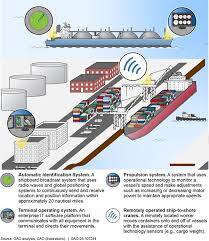
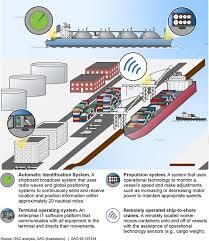
Ports are complex systems that include shipping terminals, storage facilities, customs operations, and more. As such, they are susceptible to a wide range of threats including terrorism, piracy, smuggling, and cyberattacks. A single breach in a port’s security system could lead to economic disruption, significant financial losses, or loss of life.
2. Cybersecurity in Coastal Operations
As ports become more digitized through automation and smart logistics, cybersecurity has emerged as a formidable risk. Cybercriminals can target port management systems, GPS navigation, or customs databases to cause delays, steal information, or sabotage shipments. A major incident in 2017 saw the shipping giant Maersk brought to a halt by the NotPetya malware, demonstrating just how vulnerable maritime logistics can be.
3. Smuggling and Human Trafficking
U.S. coastal borders are frequently used for illicit activities such as drug trafficking and human smuggling. The U.S. Coast Guard, in coordination with Customs and Border Protection, works tirelessly to monitor and intercept suspicious maritime traffic. However, the sheer size of the coastline makes it impossible to completely seal off, which is why technology and intelligence sharing are becoming increasingly important.
Residential and Community-Level Threats
1. Property Crime in Coastal Areas
Coastal wealth often draws opportunistic criminals. Seasonal homes and properties in hurricane evacuation zones are particularly vulnerable to theft and vandalism. Communities that are sparsely populated during off-seasons can become easy targets. Security systems and neighborhood watch programs are crucial tools in deterring criminal activity.
2. Emergency Preparedness and Evacuations
Natural disasters in coastal areas often require large-scale evacuation efforts. Ensuring that evacuation routes are functional and that residents are educated about procedures is critical. FEMA and local emergency management agencies often conduct drills and awareness campaigns, but individual preparedness—including emergency kits, evacuation plans, and reliable communication tools—is equally important.
Climate Change and Long-Term Risks
1. Sea Level Rise
According to NOAA, sea levels along the U.S. coastline are projected to rise by about 10-12 inches on average by 2050. This will increase the frequency of “sunny day” floods—events where high tides cause flooding even without rainfall. Long-term solutions include elevated infrastructure, flood barriers, and strategic retreat from high-risk zones.
2. Erosion and Land Loss
Many coastal communities are losing valuable land to erosion. This not only affects property values but also harms ecosystems and undermines natural storm buffers like dunes and wetlands. Coastal restoration projects, such as beach renourishment and wetland rehabilitation, are necessary to combat erosion effectively.
Technology and Coastal Surveillance
1. Drones and Aerial Surveillance
Drones are increasingly being used for coastal surveillance, both by government agencies and private entities. They offer real-time data on shoreline changes, storm damage assessments, and even border patrol activities. Drones equipped with thermal imaging can also help in search-and-rescue operations during floods or hurricanes.
2. Smart Sensors and IoT
Internet of Things (IoT) devices like flood sensors, motion detectors, and smart buoys are revolutionizing how coastal risks are monitored. These systems provide early warnings for rising water levels, unauthorized access to restricted zones, or unusual weather patterns, allowing for rapid response and decision-making.
3. Satellite Surveillance
Satellites offer a macro-level view of environmental and security conditions. They are essential for tracking hurricanes, ocean temperatures, and even illegal fishing activities. This data is often shared among international partners to enhance global maritime security.
Policy and Governance
1. Federal Agencies Involved
Several U.S. federal agencies are responsible for coastal security, including the Department of Homeland Security, FEMA, NOAA, and the U.S. Coast Guard. These agencies work in collaboration to enforce laws, mitigate natural disasters, and respond to emergencies. The Coastal Zone Management Act (CZMA) also encourages states to develop comprehensive coastal management programs.
2. Local and Community Involvement
Local governments play a vital role in implementing security measures tailored to their specific needs. Community input can influence zoning laws, building codes, and evacuation plans. Citizen science initiatives and local environmental groups also contribute valuable data and advocacy for sustainable practices.
3. International Cooperation
Coastal security doesn’t stop at national borders. International maritime agreements and joint naval exercises help combat transnational threats like piracy and trafficking. The sharing of satellite data and cyber intelligence among countries enhances the overall security of global maritime routes.
Best Practices for Coastal Security Preparedness
- Invest in Resilient Infrastructure: Choose building materials and designs that withstand flooding and high winds.
- Adopt Smart Technology: Use sensors, drones, and real-time data analytics to monitor risks and respond quickly.
- Stay Informed: Subscribe to weather alerts, FEMA updates, and local emergency management notifications.
- Develop a Family Emergency Plan: Know your evacuation routes, emergency contacts, and medical needs.
- Participate in Community Preparedness: Join local planning committees or attend public forums related to disaster readiness.
Frequently Asked Questions (FAQ)
What are the most common coastal security threats in the U.S.?
Common threats include hurricanes, flooding, sea level rise, port vulnerabilities, cyberattacks, smuggling, and property crime. Each region faces a unique combination of natural and human-made risks.
How can homeowners in coastal areas improve their security?
Homeowners can invest in flood-proof construction, evacuation planning, insurance coverage, and modern security systems such as home alarm systems Florida residents frequently rely on to deter intrusions and monitor environmental hazards.
What role does climate change play in coastal security?
Climate change significantly increases risks like sea level rise, more intense storms, and coastal erosion, which all compound existing vulnerabilities and require adaptive planning.
Who is responsible for coastal security in the United States?
Responsibility is shared among federal agencies (like FEMA and the U.S. Coast Guard), state and local governments, and the private sector. These entities collaborate to manage threats and implement preventive measures.
Are cyber threats a real concern for coastal infrastructure?
Absolutely. Modern ports and maritime systems depend heavily on digital technologies, making them attractive targets for cybercriminals. Protecting these systems is critical to national and economic security.
How can communities prepare for coastal emergencies?
Communities should engage in emergency drills, establish communication plans, invest in resilient infrastructure, and stay informed about local hazards and response options.