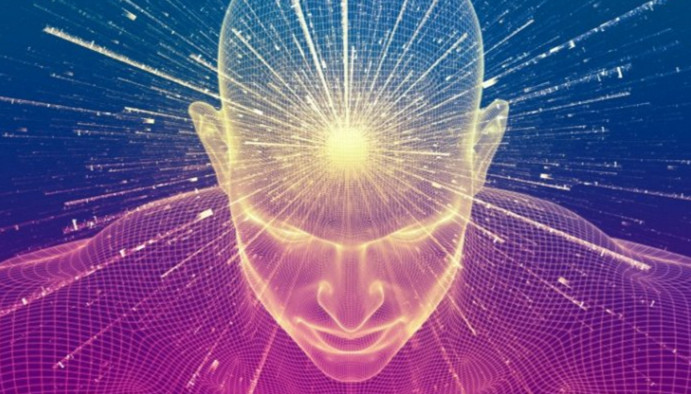
The Body Speaks What Words Cannot.
Our bodies often reveal what our minds struggle to express. A trembling hand before a presentation, a quiver in the voice during a heartfelt conversation, or a flutter in the stomach when anxious — these movements tell stories about our emotions. Tremors, in particular, are one of the clearest examples of how closely our physical and emotional worlds are connected.
While most people associate shaking with nervousness, tremors can appear for many reasons. Some occur as temporary reactions to stress or caffeine, while others stem from neurological conditions such as Essential Tremor (ET). Whatever the cause, tremors can influence how you feel about yourself and how you interact with others. They communicate something deeper — a message from the nervous system that deserves attention, compassion, and understanding.
Section 1: What Tremors Reveal About Emotion
Every human being has experienced subtle tremors at some point — perhaps after intense fear, excitement, or exhaustion. These physical responses are part of our natural emotional language. When you feel anxious or frightened, your body releases adrenaline, preparing you for action. This surge of stress hormones increases heart rate and muscle tension, sometimes causing shaking hands or quivering lips.
These tremors are not signs of weakness; they are biological reminders of your body’s sensitivity to emotional experiences. However, when tremors become persistent, they can start to affect confidence, self-image, and daily functioning.
Section 2: When Tremors Persist — The Example of Essential Tremor
Essential Tremor (ET) is one of the most common movement disorders, often mistaken for Parkinson’s disease. It causes involuntary, rhythmic shaking, most commonly in the hands, but sometimes in the head, voice, or legs. Although ET is primarily a neurological condition, it frequently interacts with emotional well-being.
Imagine trying to pour a cup of tea, button a shirt, or hold a pen while your hands shake uncontrollably. day-to-day tasks become reminders of something beyond your control. Over time, this can lead to self-consciousness, frustration, or social withdrawal.
People with ET often share how their tremors affect confidence during social interactions. You may find yourself avoiding public settings, worried that others will notice your shaking hands. You might even skip meals with friends to avoid spilling food or drinks. These experiences highlight how a physical condition can ripple into emotional and psychological spaces, shaping how you view yourself and the world around you.
Section 3: The Emotional Consequences of Visible Movement
Living with visible tremors can stir a mix of emotions. You may feel embarrassed when someone points out your shaking hands or uncomfortable when others misinterpret it as nervousness. For some, tremors trigger feelings of vulnerability or shame, especially in situations that require fine motor control or public visibility.
Confidence, once effortless, may begin to waver. Some people describe a gradual loss of spontaneity — the way laughter feels restrained when you worry about your hands shaking, or how a simple handshake becomes a moment of tension.
This emotional burden can, in turn, worsen tremors. Stress and anxiety often amplify shaking, creating a frustrating cycle: you shake because you feel anxious, and you feel anxious because you shake. Breaking this pattern requires understanding that the mind and body influence each other continuously — neither acts alone.
Section 4: How the Brain Communicates Through Tremors
The connection between emotion and movement lies deep within the nervous system. Tremors arise when certain brain circuits — especially those involving the cerebellum, thalamus, and motor cortex — misfire or send irregular signals to muscles. In ET, these circuits are often overactive, causing repetitive muscle contractions even when you try to stay still.
Meanwhile, emotional stress activates another powerful network: the hypothalamic-pituitary-adrenal (HPA) axis. This system floods the body with cortisol and adrenaline, heightening alertness but also increasing muscle tension. If you already experience tremors, these stress hormones can exaggerate them.
Understanding this interaction can bring comfort. It shows that tremors are not simply “in your head” nor purely mechanical; they exist in the space where thoughts, nerves, and muscles meet.
Section 5: Breaking the Cycle — Managing the Emotional and Physical Impact
Managing tremors means addressing both body and mind. While medical treatments such as beta-blockers or anticonvulsants may reduce shaking, emotional support plays an equally vital role.
1. Recognize Emotional Triggers
Keep a small diary of when your tremors worsen. Do they appear during stressful moments, after caffeine, or when you feel tired? Identifying triggers helps you predict and manage flare-ups more calmly.
2. Practice Relaxation Techniques
Simple practices such as deep breathing, mindfulness, and gentle stretching can lower tension in your muscles and nervous system. Even a few minutes a day can help reduce the intensity of tremors linked to anxiety or fatigue.
3. Strengthen Social Support
Sharing your experiences with trusted friends or support groups can ease emotional strain. Many people with ET find comfort in connecting with others who understand the same challenges. Talking openly also helps normalize tremors and reduces feelings of isolation.
4. Consider Holistic Approaches
In addition to conventional treatments, some individuals explore complementary methods to support overall well-being. For instance, adopting a balanced diet rich in omega-3 fatty acids, magnesium, and antioxidants may promote nerve health. Some people also explore Natural Organic Supplements to support relaxation or neurological balance. Always discuss these options with your healthcare professional before adding them to your routine.
5. Professional Emotional Support
If tremors cause significant distress, speaking with a psychologist or counselor can be helpful. Cognitive behavioral therapy (CBT) or acceptance-based strategies can teach practical ways to manage anxiety, social fear, and frustration associated with visible tremors.
Section 6: The Social Perception of Tremors
Society often misinterprets physical symptoms. Tremors can be mistaken for nervousness, intoxication, or weakness, which can lead to awkward or hurtful encounters. Such misunderstandings are emotionally taxing and can discourage people from participating in everyday social events.
Education plays a key role here. When others learn that tremors — particularly ET — are neurological and not emotional failures, empathy grows. Talking openly about your condition helps reshape perceptions, both for yourself and for those around you.
Employers, teachers, and friends who understand ET can provide simple but meaningful accommodations, such as allowing speech-to-text tools, adjustable utensils, or relaxed work conditions during flare-ups. These small gestures foster dignity and confidence.
Section 7: Reclaiming Confidence and Emotional Balance
Living with tremors doesn’t mean losing control of your identity. Confidence can be rebuilt through practice, patience, and self-acceptance. Focus on what you can do rather than what tremors limit. Celebrate progress — whether it’s completing a task without spilling a drink or attending a gathering despite your nerves.
Building resilience takes time, but each small victory restores faith in your abilities. You might find grounding in activities that promote steadiness and presence — yoga, painting, gardening, or music. These practices not only calm the nervous system but also remind you that beauty and expression exist beyond perfect movement.
Section 8: The Role of Family and Caregivers
For caregivers and loved ones, tremors can be equally emotional. Watching someone you care about struggle with daily activities may bring feelings of helplessness. However, support doesn’t always mean fixing the problem; often, it means listening, reassuring, and staying patient.
Encourage open communication. Ask how you can help, but also allow independence where possible. Many individuals with ET prefer to manage tasks on their own, even if it takes longer. Offering assistance respectfully — without pity or urgency — helps preserve confidence and dignity.
Educating yourself about ET also strengthens your ability to provide meaningful support. Understanding what causes tremors, how they fluctuate, and how they affect emotion makes you a more empathetic ally.
Section 9: Building a Calmer Mind Through Lifestyle Choices
Lifestyle influences both the frequency and severity of tremors. Consider these small but effective adjustments:
- Sleep: Aim for consistent rest. Fatigue can intensify tremors, while quality sleep steadies the nervous system.
- Caffeine and Alcohol: Both can trigger or worsen shaking. Gradually reducing intake may lessen symptoms.
- Hydration: Dehydration affects muscle performance and can make tremors feel more pronounced.
- Exercise: Gentle activities such as walking, swimming, or tai chi improve coordination and reduce stress.
- Nutrition: Balanced meals with steady blood sugar support stable energy and mood. A diet rich in leafy greens, nuts, and lean proteins supports nerve health.
For some, exploring Natural Treatment for Essential Tremor options may complement medical care. This may include techniques such as relaxation therapy, stress reduction, and nutritional adjustments. Discussing these choices with your doctor ensures that alternative approaches remain safe and suitable for your condition.
Section 10: Reframing Tremors as Communication, Not Failure
What if tremors were not enemies, but signals — messages from your body asking for balance, rest, or care? Viewing tremors as communication rather than malfunction transforms how you relate to them. Instead of fighting the shaking, you begin to listen to what it might be telling you.
For instance, a rise in tremors before a public event may signal underlying anxiety that needs attention, not avoidance. A flare-up during fatigue could be your body’s way of asking for rest. This perspective fosters compassion toward yourself and helps you respond proactively rather than reactively.
Section 11: How Healthcare Professionals Can Support Emotional Well-being
Doctors and therapists play a central role in supporting individuals with tremors, but emotional support is equally important. Too often, clinical visits focus solely on symptom management without addressing how tremors affect self-esteem or social life.
If you live with ET or another tremor disorder, ask your healthcare provider about emotional support services. Many neurology clinics now collaborate with mental health specialists to provide integrated care. Group therapy or peer networks can also create safe spaces for sharing experiences and coping strategies.
Remember that you deserve care that recognizes both your physical and emotional needs. Tremors are visible symptoms of a much broader human experience — one that deserves empathy, not silence.
Section 12: Looking Ahead — Hope and Ongoing Research
Research into tremor disorders continues to evolve, offering hope for improved treatments and understanding. Scientists are studying how genetics, brain connectivity, and neurotransmitters contribute to ET and other movement conditions. Innovative therapies, from focused ultrasound to adaptive neurostimulation, may offer relief for some in the coming years.
But perhaps the greatest progress lies in awareness. As more people speak openly about tremors and their emotional effects, stigma fades. What once felt isolating becomes part of a shared human conversation about resilience, vulnerability, and acceptance.
Conclusion: Listening to the Language of Movement
Our movements express far more than we realize. Tremors — whether caused by emotion, fatigue, or neurological change — are part of the body’s emotional language. They remind us that feeling and movement are deeply intertwined.
If you experience tremors, you are not alone, and you are not defined by your shaking hands. The body speaks in many ways, and tremors are one of its most honest expressions. Through compassion, connection, and informed care — from medical support to lifestyle adjustments — you can live with steadiness, both in body and mind.