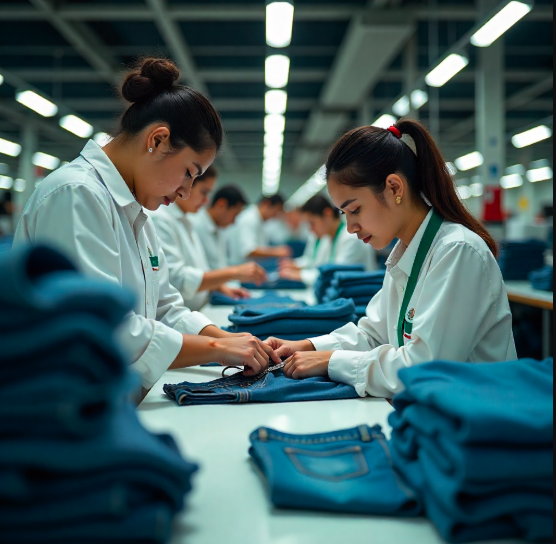
Mexico is fast becoming a global hub for apparel quality control. Its unique mix of location, skilled labor, and trade agreements makes it the perfect choice for brands seeking reliable and efficient garment oversight. As businesses shift from distant sourcing to nearshoring, Mexico is positioned to lead the way. By combining shorter shipping times, a competitive workforce, strong trade policies, and a mature manufacturing ecosystem, Mexico provides fashion brands with stability and agility in an increasingly unpredictable global market. Beyond logistics and costs, the country is also strengthening its reputation in quality control through internationally recognized standards, third-party inspection services, and sustainability-focused practices. For brands eager to maintain consistent quality while reducing risk, Mexico represents a future-ready sourcing destination.
Strategic Location Near the U.S.
Mexico’s proximity to North America is a game-changer for apparel brands. Instead of waiting weeks for shipments from Asia, companies can receive products from Mexico within days. This speed is especially valuable in the fashion industry, where consumer preferences shift quickly and replenishment cycles are critical.
- Faster shipping: Transporting garments across the U.S.–Mexico border typically takes two to five days, compared to the three to six weeks required for shipments from Asia.
- Lower costs: Shorter distances reduce transportation expenses and warehousing needs, improving overall supply chain efficiency.
- Agility: Nearshoring allows brands to pivot quickly to changing trends, seasonal demand, or unexpected stock shortages.
For fast-fashion labels that thrive on short lead times, Mexico’s location offers a competitive edge. Even premium apparel companies benefit by keeping inventories lean while maintaining flexibility.

Competitive and Skilled Workforce
Mexico offers a cost-effective labor force without sacrificing skill, making it attractive to brands that demand both affordability and craftsmanship. The country has a long tradition in textiles, garments, and leather goods, with many workers possessing decades of experience in stitching, pattern-making, and finishing.
- Textile expertise: Skilled labor ensures consistent seams, precision cutting, and high-quality finishing that meet global specifications.
- Reduced defects: Experienced workers minimize quality issues, helping brands avoid costly recalls or rework.
- Compliance focus: Manufacturers are increasingly trained in international safety and compliance standards, which ensures reliable results for overseas clients.
This balance of lower costs and high expertise allows Mexico to compete directly with established manufacturing hubs like China, Vietnam, and Bangladesh. Instead of cutting corners, Mexican factories are positioning themselves as reliable partners who can deliver consistent apparel quality control.
Strong Trade Agreements
One of Mexico’s strongest advantages lies in its trade policies. The United States–Mexico–Canada Agreement (USMCA), which replaced NAFTA, plays a crucial role in apparel production and quality control.
- Tariff reduction: Many apparel goods qualify for reduced or zero tariffs, significantly lowering costs for U.S. brands.
- Simplified customs: Streamlined border processes mean fewer delays, making supply chains more predictable.
- Regional sourcing rules: By requiring certain materials to be sourced within North America, the agreement strengthens regional supply chains and reduces reliance on Asia.
Beyond USMCA, Mexico also has trade agreements with more than 40 countries worldwide. This allows brands to not only serve the U.S. and Canada but also expand to European and Latin American markets without facing prohibitive tariffs or bureaucratic hurdles.
For companies focused on long-term growth, these agreements provide a stable, pro-trade environment that reduces financial risks and encourages investment in Mexico’s apparel sector.
Mature Manufacturing Ecosystem
Unlike emerging textile hubs, Mexico has decades of experience in garment manufacturing. This maturity translates into a robust ecosystem that supports everything from small boutique brands to global retailers.
- Established supply chains: Local suppliers of fabrics, trims, and accessories reduce reliance on imports.
- Reliable logistics: Mexico’s highways, railways, and ports are modern and well connected, ensuring timely deliveries.
- Maquiladora programs: These allow foreign-owned companies to import raw materials, assemble garments, and re-export finished products with significant tax benefits.
This established system provides stability for apparel brands planning multi-year sourcing strategies. Instead of building supply chains from scratch, they can plug into an existing network of suppliers, factories, and logistics providers—all underpinned by a workforce that already understands global fashion standards.
Reduced Supply Chain Risks
Nearshoring to Mexico also mitigates several risks associated with overseas sourcing. In recent years, global apparel brands have faced disruptions caused by shipping delays, trade tensions, and rising fuel costs.
- No long trans-Pacific shipping: Shorter supply routes eliminate dependency on container availability and costly ocean freight.
- Lower carbon footprint: Reducing transportation distances helps brands align with sustainability goals.
- Fewer disruptions: Proximity to the U.S. insulates brands from geopolitical conflicts and port congestion that often affect Asia.
This risk reduction is critical in today’s uncertain environment. Fashion companies that rely on predictable production schedules and consistent quality find Mexico a safer, more sustainable option for apparel quality control.
Apparel Quality Control Advantages in Mexico
Mexico’s appeal goes beyond logistics and cost—it is also strengthening its reputation as a reliable hub for garment quality control.
Easy Factory Oversight
With factories located just a few hours away by plane from most U.S. cities, brands can conduct frequent inspections. Managers and auditors can visit facilities more often, catching issues early in the production cycle. This proximity also improves communication and collaboration with suppliers.
Reliable Standards
Many Mexican manufacturers operate under internationally recognized standards, including ISO certifications. This reduces variability across production runs and gives overseas buyers confidence in consistent outcomes.
Third-Party QC Services
Independent inspection firms have expanded in Mexico to meet growing demand. These providers conduct audits, inline inspections, and pre-shipment checks that ensure compliance with buyer specifications. For brands, third-party oversight adds an extra layer of trust and impartiality.
Focus on Sustainability
Sustainability is no longer optional—it’s a requirement for global apparel brands. Mexican manufacturers are increasingly adopting practices that prioritize environmental responsibility and fair labor conditions. Quality control processes now often include sustainability metrics, ensuring that products meet not only performance standards but also ethical expectations.
Best Practices for Apparel Quality Control in Mexico
To maximize results, apparel brands should follow structured quality control strategies when working with Mexican suppliers. Key best practices include:
- Define clear quality standards with Acceptance Quality Limit (AQL) inspections to set measurable benchmarks.
- Conduct regular supplier audits to ensure processes remain consistent over time.
- Partner with independent QC providers for unbiased, third-party evaluations.
- Align production with global certifications like ISO 9001 for quality management and SA8000 for social accountability.
- Build strong supplier relationships by investing in training, transparency, and long-term collaboration.
These practices not only improve outcomes but also establish trust and continuity in the sourcing relationship, ensuring apparel brands meet consumer expectations in global markets.
Today, many overseas brands already rely on Garment Quality Control in Mexico to guarantee consistency, sustainability, and compliance. This investment strengthens supply chains, enhances customer satisfaction, and builds long-term competitiveness.
Conclusion
Mexico’s location, skilled workforce, and trade benefits are making it the next big hub for apparel quality control. For brands, the advantages go far beyond reduced costs—Mexico offers faster shipping, lower risks, and consistent quality oversight. With strong international standards, sustainable practices, and accessible third-party inspection services, the country is positioning itself as a trusted partner for global fashion companies.
If you’re planning to expand or improve your sourcing strategy, Mexico offers a clear path forward. By leveraging its unique combination of logistics, expertise, and compliance, apparel brands can secure their supply chains, maintain consumer trust, and thrive in today’s competitive marketplace.
Start exploring apparel quality control solutions in Mexico today and give your brand a competitive edge.