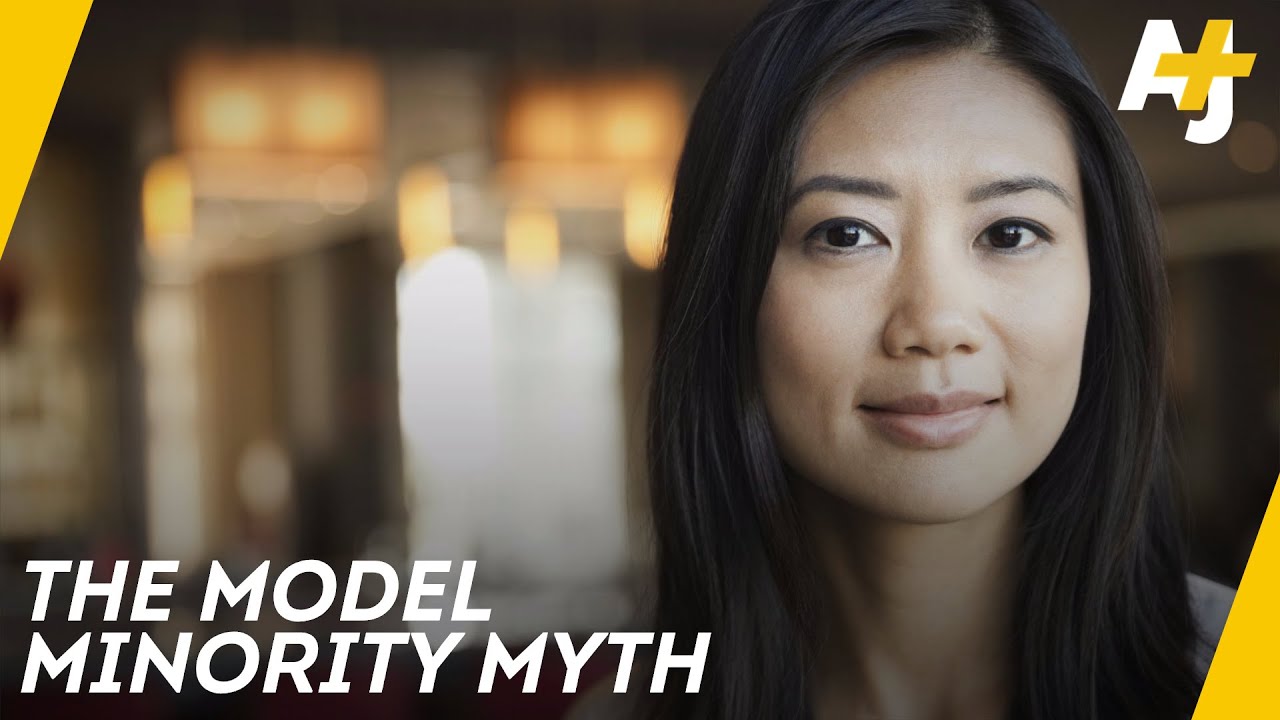
The model minority myth is a seemingly positive but deeply harmful stereotype that affects how society views Asian Americans and other minority groups. Often described as hardworking, intelligent, respectful, and successful, Asian Americans are held up as a “model” example for other racial groups. However, this oversimplified narrative creates unrealistic expectations, masks real struggles, and drives a wedge between communities. To build a more inclusive and fair society, we must understand what the model minority myth is, why it exists, and the lasting harm it causes.
Where Did the Model Minority Myth Originate?
The idea of the “model minority” began to take hold in the 1960s in the United States. During this era, Asian Americans—particularly Japanese and Chinese immigrants—were praised in media reports for achieving economic and academic success. Articles glorified their commitment to family, discipline, and education, especially in contrast to other minority groups who were often portrayed as struggling.
This image was heavily influenced by U.S. immigration policy reforms in the 1960s, which favored skilled Asian immigrants—doctors, engineers, and academics—making it seem like the Asian American population as a whole was excelling. In reality, these policies selectively welcomed those already positioned for success, leaving behind a much more complicated truth.
The Dangerous Impacts of the Model Minority Myth
Despite sounding positive, the model minority myth creates unrealistic standards and hides the diversity and challenges within the community it supposedly praises. Let’s explore the harmful effects:
1. Unrealistic Expectations and Psychological Pressure
The myth creates unbearable pressure to succeed, especially for young people. Asian American students often feel they must pursue careers in medicine, engineering, or law and maintain top academic performance to be accepted and respected.
This constant pressure can lead to stress, anxiety, and depression. Worse, many suffer in silence. The National Alliance on Mental Illness reports that only 8.6% of Asian Americans seek mental health support, compared to nearly 20% of White Americans. Cultural stigma and the need to “live up” to the myth keep many from getting help.
2. Ignores Diversity Within the Community
Asian Americans are not a monolithic group. They come from over 20 countries, each with distinct cultures, languages, and socioeconomic realities. For example:
- Indian and Chinese Americans often earn higher incomes.
- In contrast, Burmese, Hmong, and Cambodian Americans experience poverty rates over 20%, higher than the national average.
Labeling all Asian Americans as wealthy and successful erases the real struggles faced by many within the community.
3. Fuels Division Between Minority Groups
The myth pits Asian Americans against other minorities by suggesting, “If they can do it, why can’t you?” This narrative ignores systemic racism, historic oppression, and unequal access to opportunities that impact different communities in different ways.
Rather than fostering unity, the myth deepens racial divides by implying that success is purely about effort and cultural values, not about privilege, access, or opportunity.
4. Discourages Support and Policy Change
If a community is seen as thriving, policymakers may be less likely to direct resources or attention toward its real issues. Asian Americans may be overlooked in areas such as:
- Mental health services
- Educational support programs
- Financial aid and poverty relief
When needs are invisible, they remain unmet.
The Reality Behind the Numbers
Data tells a more honest story than stereotypes.
- Income Inequality: According to the Pew Research Center, Asian Americans have the highest income gap among all U.S. racial groups. The top 10% earn more than 10 times the bottom 10%.
- Poverty Rates: About 12% of Asian Americans live below the poverty line, with certain groups such as the Hmong community facing rates close to 25%.
- Mental Health Access: Cultural stigma and unrealistic expectations mean Asian Americans are significantly less likely to seek help, despite high levels of stress and psychological burden.
How Our E-Class Helps Break the Stereotype in Schools
One effective way to challenge and dismantle the model minority myth is by creating supportive and inclusive educational environments. Our E-Class, a comprehensive classroom management platform, plays a vital role in transforming the way schools understand and support students from diverse backgrounds.
What Is Our E-Class?
Our E-Class is a powerful Academic Management Solution for Schools and Education Facilities, designed to streamline operations, enhance communication, and provide access to rich digital learning resources. It offers:
- Timetable, attendance, and grading automation
- Real-time communication among teachers, students, administrators, and parents
- Access to online learning materials for anytime, anywhere education
- Behavior tracking and student performance monitoring
- Financial and resource management tools
Promoting Fair and Personalized Learning
By automating administrative tasks and offering a data-driven look at individual student needs, Our E-Class helps schools move beyond stereotypes. Educators can identify students who need support—not based on assumptions, but real insights into their performance and well-being.
Encouraging Mental Health Awareness
Our E-Class facilitates better communication between students and counselors, helping schools monitor mental health concerns. With features like behavior tracking and parent engagement portals, educators and families can collaborate to ensure students are thriving—not just academically but emotionally too.
Supporting Diversity in the Classroom
Virtual classrooms, interactive tools, and collaborative projects within Our E-Class encourage inclusive participation. The platform promotes diverse voices and shared learning experiences, helping dismantle the myth that only one type of student excels.
What Can We Do to Move Forward?
Dismantling the model minority myth is essential for building an equitable society. Here’s how we can take action:
- Recognize Individuality: Treat people as individuals, not stereotypes. Every student, worker, or neighbor has a unique story.
- Promote Inclusive Education: Use platforms like Our E-Class to gain accurate insights into student performance, rather than relying on assumptions.
- Support Mental Health: Normalize asking for help and increase culturally aware mental health services.
- Celebrate Diversity: Educate others about the range of cultures, histories, and experiences within every racial group.
Conclusion
The model minority myth may sound like a compliment, but it’s a dangerous stereotype that hides reality, causes stress, and divides communities. It ignores the struggles of many Asian Americans, places unrealistic expectations on individuals, and minimizes the needs of those who fall outside its narrow frame.
By embracing tools like Our E-Class, educators and institutions can support all students fairly and fully, based on real data—not harmful assumptions. Together, we can replace outdated stereotypes with understanding, inclusion, and equity for everyone.