Introduction
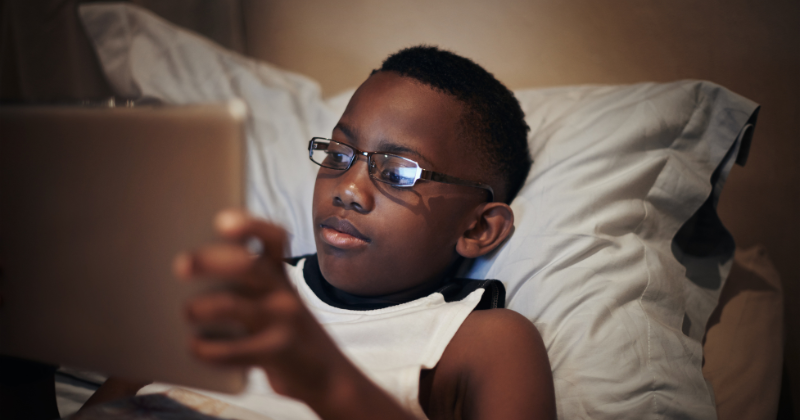
Picture this: You’re tucked into bed, ready for “just a quick scroll” before sleep. An hour later, you’ve watched three videos, read two random articles, and are now searching something completely unrelated. Meanwhile, your sleep? It’s patiently waiting… but losing the fight.
In today’s world, the battle between Your Sleep vs. Your Screen is one many of us lose without even realizing it. But why does a glowing rectangle have so much power over our nightly rest? Let’s break it down.
1. The Light That Lies to Your Brain
Your phone, tablet, or TV emits blue light — a wavelength that tricks your brain into thinking it’s still daytime. This light suppresses melatonin, the hormone that signals your body it’s time to wind down. It’s like trying to fall asleep while someone’s shining a flashlight in your face — subtle, but enough to throw off your body clock.
2. The Mind That Won’t Power Down
Even if you put your phone down, your brain may still be buzzing. Reading messages, reacting to news, or watching fast-paced videos keeps your mind active when it should be slowing down. Imagine trying to park your car while still revving the engine — it’s going to take longer to stop.
3. Sleep’s Worst Enemy: The “Just One More” Loop
Screens feed us an endless stream of “just one more” — one more episode, one more video, one more scroll. The problem? That “one more” stretches bedtime further and further away, cutting into the precious deep sleep your body needs to restore itself.
4. How to Break the Cycle
The good news is that screens don’t have to win. Small changes can help restore balance:
- Set a Tech Curfew: Aim to put your devices away at least an hour before bed.
- Switch to Warmer Light: Use night mode or blue-light filters in the evening.
- Replace the Habit: Read a paper book, stretch, or listen to calming music instead.
- Keep Devices Out of Reach: Charge your phone outside the bedroom to remove temptation.
These simple ways to reduce screen time before bed can have a surprisingly big impact on how quickly you fall asleep and how refreshed you feel in the morning.
Conclusion
Your devices aren’t the enemy — it’s how and when we use them that makes the difference. Sleep is one of the most powerful tools for mental clarity, mood, and physical health, but it can’t compete with screens if we don’t set boundaries.
The next time you’re tempted to keep scrolling at midnight, ask yourself: in the battle of Your Sleep vs. Your Screen, who do you want to win tonight?