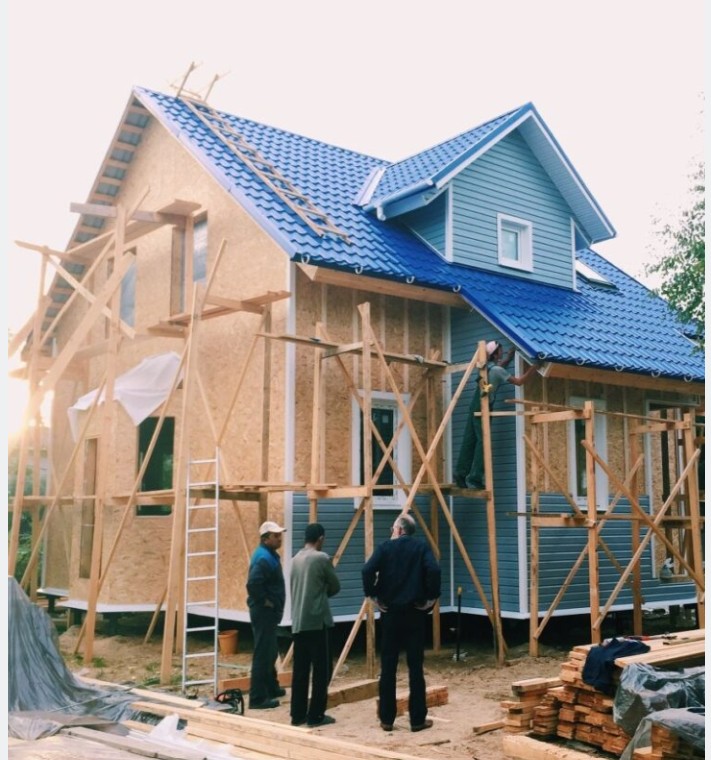
Renovating your home is an exciting yet challenging task. A residential remodel can greatly improve your living space, making it more comfortable and functional. It also adds significant value to your property, which is beneficial if you plan to sell later. Whether you are updating one room or undertaking a full-house remodel, knowing what to expect can help you avoid costly mistakes.
What Exactly Is a Residential Remodel?
A residential remodel means changing or improving your home’s structure, layout, or appearance. It goes beyond simple repairs or cosmetic fixes. You might knock down walls, add rooms, update outdated features, or install new systems. These changes aim to create a better living environment tailored to your current needs.
Why Is Remodeling Your Home a Smart Choice?
Remodeling brings several advantages. First, it boosts your home’s market value. A modern kitchen or bathroom can be a major selling point. Second, it improves your quality of life by making spaces more efficient and attractive. Finally, remodeling allows you to personalize your home to fit your style and daily routines. Instead of moving, you can adjust your current space to better serve you.
Popular Types of Residential Remodels to Consider
Kitchen Remodels
Kitchens are the heart of many homes. Remodeling this area often involves updating cabinets, countertops, and appliances. Adding an island or better lighting improves usability. A well-planned kitchen remodel can significantly enhance your daily cooking experience.
Bathroom Remodels
Bathrooms often show signs of wear quickly. New sinks, toilets, flooring, and fixtures refresh the space. Adding extra storage or improving ventilation can solve common issues. Updated bathrooms appeal to both homeowners and buyers.
Basement Remodels
Unused basements hold a lot of potential. Remodeling turns this space into a family room, home office, or guest suite. Proper insulation and moisture control are key to a comfortable basement remodel.
Whole-House Remodels
Sometimes, homes need major upgrades. Whole-house remodels involve structural changes, new flooring, updated electrical and plumbing, and more. These projects are extensive but can make an old home feel brand new.
How to Plan a Successful Residential Remodel
Planning is critical. Start by identifying what you want to change and why. Make a list of must-haves and nice-to-haves. Next, set a clear budget. Remember to include costs for permits, materials, labor, and a buffer for surprises. Research contractors thoroughly. Request detailed quotes and check their references. Good planning reduces stress and ensures smoother execution.
Navigating Permits and Local Regulations
Most remodeling projects require permits to guarantee safety and compliance with local codes. Permits protect you and your investment. They ensure that work is inspected and meets standards. Always check with your local building authority before starting any remodel. Ignoring permits can cause delays, fines, or trouble when selling your home.
Picking the Right Materials for Longevity and Style
Material choices impact both your budget and the finished look. Durable materials like hardwood floors and quartz countertops offer lasting value. You can also opt for budget-friendly options like laminate or vinyl that mimic pricier materials. Think about maintenance, appearance, and how materials fit your lifestyle. For example, families with kids might choose scratch-resistant flooring.
Setting Realistic Timelines
Remodels often take longer than expected. Weather conditions, product availability, and contractor schedules can delay progress. Avoid rushing decisions, as this often leads to errors. Communicate frequently with your contractor to stay updated. Planning extra time in your schedule can prevent frustration.
Managing Your Budget Effectively
Track your expenses carefully from start to finish. Maintain a contingency fund for unexpected issues, which are common in remodeling. Prioritize projects that add the most value or improve function. For example, upgrading a bathroom’s plumbing may be more critical than replacing decorative lighting. Smart budgeting keeps your remodel on track financially.
The Importance of Choosing the Right Contractor
A reliable contractor is essential for quality work. Interview multiple contractors, and ask for referrals and portfolios. Ensure they are licensed, insured, and experienced in your type of remodel. Clear communication and written agreements reduce misunderstandings. A trustworthy contractor helps your project finish on time and within budget.
Eco-Friendly Remodeling: Good for You and the Planet
Green remodeling options are increasingly popular. Using energy-efficient windows, LED lighting, and water-saving fixtures saves money long term. Eco-friendly materials like bamboo flooring and recycled glass countertops reduce environmental impact. Many sustainable upgrades also qualify for tax credits or rebates.
Common Pitfalls to Avoid During Your Remodel
Avoid skipping necessary permits or choosing the cheapest option blindly. These mistakes often lead to costly repairs or legal problems. Don’t rush design decisions; take the time to consider what fits your needs. Avoid hiring contractors without checking credentials. Finally, keep a detailed project schedule to track progress.
Final Thoughts
A residential remodel can breathe new life into your home. It improves comfort, functionality, and value. Success depends on solid planning, budgeting, and choosing the right professionals. Be prepared for surprises, stay flexible, and communicate clearly throughout the process. With these steps, your remodel will enhance your lifestyle and your home’s appeal for years to come.
Thinking about a residential remodel? Reach out to trusted experts now to plan your project and bring new life to your home with confidence.